Browsing tag

Nathan Hellman

Acquired GBM Disease

An interesting scenario of “acquired” anti-GBM disease can occur when a patient with Alport’s Syndrome gets a renal transplant. Patients with Alport’s Syndrome–a cause of hematuria with progressive renal failure and hearing loss–have mutations in genes encoding certain…

1759 0

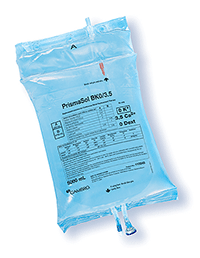
Troubleshooting CVVH

Even though most studies have not shown any mortality benefit to CVVH when compared to intermittent hemodialysis, that doesn’t mean that we don’t use CVVH all the time. At our centers (Mass General Hospital and Brigham & Women’s…

4256 2

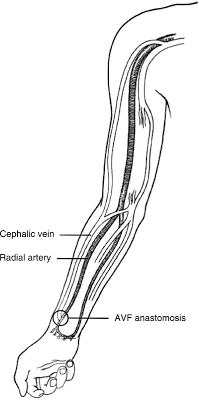
Physical Exam for AV Fistulas & Grafts

We all realize that maintaining vascular access is a dialysis patient’s life-line. Many patients must undergo multiple interventional radiology or surgical procedures in order to sustain fistula or graft patency over a prolonged period of time. The physical…

6218 0

What is the Resistive Index?

Often on the official radiology report for a renal ultrasound with Doppler flows, a number called the “resistive index” is listed. What does this number mean and how is it derived? The resistive index (RI) measures the resistance…

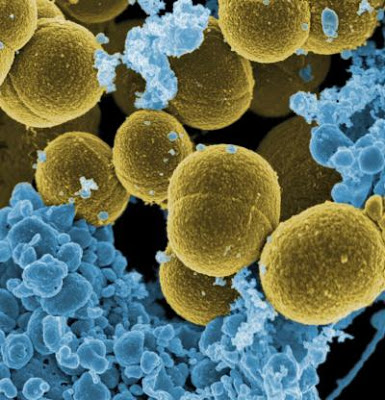
Peritonitis Bugs

The two most common organisms causing PD-related peritonitis are (1) Staph aureus and (2) Pseudomonas. Certainly there are other causes–for instance fungal peritonitis (one of the indications for immediate catheter removal) and coagulase-negative Staph species (which usually responds…

3144 0

Two Landmark PD Studies

How much peritoneal dialysis is enough? This question has been the basis of two major, landmark trials in the peritoneal dialysis community, the CANUSA study (named as such because it looked at PD patients in Canada and the…

4243 0

Nuclear Medicine Renal Imaging

There are numerous different types of radionuclide imaging which are used in renal imaging–more commonly in pediatric than in adult patients, and as such my knowledge of these procedures as it pertains to adult nephrology patients has always…

4328 1

cystic fibrosis & PKD

In order for renal cysts to grow in patients with polycystic kidney disease, it turns out this requires the pumping of chloride ion into the cyst lumen. This is carried out by the CFTR channel, the same chloride…

2802 0
Load more