EAST Syndrome
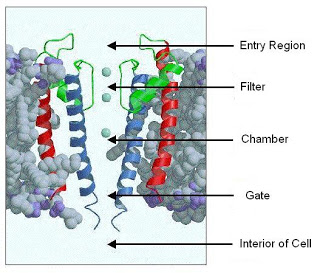
A relatively recent study by Bockenhauer et al in NEJM reports the identification of a new disease gene in a rare tubulopathy syndrome that sheds light on the physiologic mechanisms of salt transport in the kidney. The article…

A relatively recent study by Bockenhauer et al in NEJM reports the identification of a new disease gene in a rare tubulopathy syndrome that sheds light on the physiologic mechanisms of salt transport in the kidney. The article…
Eclampsia and pre-eclampsia are characterized by the new onset of hypertension and proteinuria after 20 weeks of gestation in a previously normotensive woman. One of the major causes of morbidity to both mother & fetus is the occurrence…
The two calcineurin inhibitors routinely used for kidney transplant immunosuppression are cyclosporine (CSA) and tacrolimus (TAC). Their mechanism of action is somewhat similar (they both inhibit calcineurin, which under normal circumstances induces transcription of IL-2 in lymphocytes) but…
Okay, I’ll admit, there’s no Nephrology tie-in here. But props to the Mass General Hospital surgical interns for using their undoubtedly sparse spare time to make this ridiculous music video.
Continuing with the theme of yesterday’s Kidney Transplant post, here are some commonly-used Kidney Transplant Lingo & Acronyms: CRT/DDKT: CRT = cadaveric renal transplant, which is starting to be replaced by DDKT (deceased donor kidney transplant)–I guess some…
Example of a paper whose conclusion is summed up quite nicely in the full title: “Half of Kidney Transplant Candidates Who Are Older than 60 Years Now Placed on the Waiting List Will Die before Receiving a Deceased-Donor…
See if you can answer this True or False question: The increased risk of ESRD in African-Americans is due to the increased risk of hypertension and diabetes seen in this population. I think the prevailing view in…
Most would agree that the renal ultrasound is an invaluable tool in the workup of acute kidney injury. Although the renal ultrasound can give information regarding kidney echogenicity and presence of renal cysts, by and large its predominant…
Following on the heels of studies showing a potentially beneficial effect for vasopressin receptor antagonists and rapamycin in the treatment of renal cystic disorders, an article in this month’s JASN by Gattone et al suggests another class of…
While the GI & renal systems are not typically linked together, there are a few aspects to managing a GI Bleed in patients with CKD/ESRD which are somewhat unique. For instance, angiodysplasias in the stomach, duodenum and…