
Anti-Nephrin Antibodies in Minimal Change Disease
Approach to the Patient with Peritoneal Dialysis Catheter Dysfunction- Part 1
Want to write a case report? RFN has you covered with a list of journals to choose from
Have a Nephrology Question? There Might Be A #Tweetorial For That!
Conferences, Courses, & Grants
FOAMed
Interventional Nephrology Series
Focus on Point-of-Care Ultrasound in Nephrology (POCUN) Series
Kidney Biopsy of the Month Series
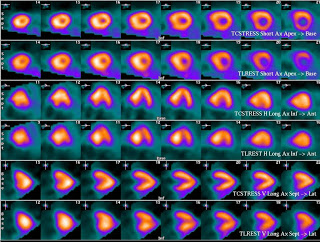
Pre-Op Cardiovascular Testing for Kidney Transplant Recipients
One of the challenges of taking care of your ESRD patients on the kidney transplant list is deciding on what kind of cardiovascular workup to perform. For obvious reasons, you don’t want to be performing a major abdominal…

Up To Date: The Nephrology Textbook of Today?
The Poll Results from last week were relatively convincing: Up To Date is the most commonly used current reference system for rapidly obtaining nephrology knowledge, with 67% of respondents declaring Up To Date as their top source. I…

Polycystic Kidney Disease, mTOR and Sirolimus
Autosomal dominant polycystic kidney disease (ADPKD) is characterized by the gradual enlargement of multiple fluid filled cysts in both kidneys, which compress and destroy normal adjacent nephrons, typically resulting in ESRD by the fifth decade of life. Management…
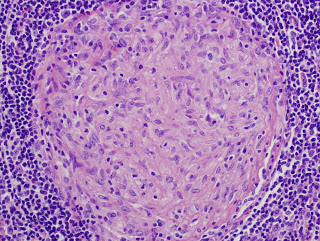
Differential Diagnosis of Granulomatous Kidney Disease
Although it’s not common (somewhere between 0.5 – 0.9% of all native kidney biopsies according to published case series), one of the fellows produced an interesting case of granulomatous interstitial nephritis in Renal Grand Rounds today. The case,…

Carotid Endarterectomy for CKD Patients
Cardiovascular complications are the major cause of morbidity and mortality in patients with CKD and ESRD. Although myocardial infarction and sudden cardiac death get a lot of attention, stroke is also extremely important in this population. How should…

Hydrothorax in periteonal dialysis patients
In patients undergoing peritoneal dialysis, hydrothorax is defined as the presence of peritoneal dialysate fluid in the pleural cavity. This PD complication has an incidence of high glucose concentration and a variable cell count. Patients diagnosed with a…
Hypercalcemia of Malignancy
Cancer-associated hypercalcemia is the #1 cause for hypercalcemia in the inpatient setting (in the outpatient setting, the main cause is primary hyperparathyroidism). In general, hypercalcemia of malignancy portends a poor prognosis, and there are three main mechanisms by…

Favorite Renal Consult Topics
Poll results: the most appealing Nephrology Consult scenario chosen, perhaps not surprisingly, was workup of new-onset glomerulonephritis (44%). I would contend that many individuals choose Nephrology because they are interested in issues such as glomerulonephritis, interesting electrolyte and…
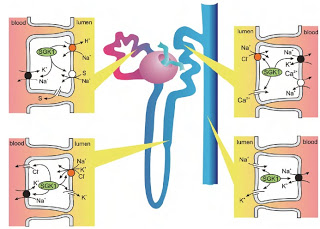
SGK1, Hypertension and the Metabolic Syndrome
I was recently asked the mechanism by which insulin resistance causes sodium retention and hypertension, and had to lie. Here’s what I should have said. Serum and glucocorticoid-inducible kinase 1 (SGK1) is an enzymatic central orchestrator of many…
Differential Diagnosis of Hypomagnesemia
Why do we care about hypomagnesemia? And why are cardiologists so eager to replete the serum magnesium above 2.0 mg/dL? Very low serum Mg can result in serious cardiovascular and CNS effects. Specifically, hypomagnesemia can cause QRS widening…