
Anti-Nephrin Antibodies in Minimal Change Disease
Approach to the Patient with Peritoneal Dialysis Catheter Dysfunction- Part 1
Want to write a case report? RFN has you covered with a list of journals to choose from
Have a Nephrology Question? There Might Be A #Tweetorial For That!
Conferences, Courses, & Grants
FOAMed
Interventional Nephrology Series
Focus on Point-of-Care Ultrasound in Nephrology (POCUN) Series
Kidney Biopsy of the Month Series

Not so symple: End of the road for renal denervation procedures?
Since the advent of minimally invasive renal denervation procedures about a decade ago, the nephrology community had been eagerly awaiting conclusion of the SYMPLICITY 3 trial. As many of you might already know, Medtronic, the device’s company issued…

An atypical form of renal failure: granulomatous interstitial nephritis
A 42-year-old man developed AKI during his recent hospitalization due to presumed sepsis. He was started on vancomycin and levofloxacin as empirical therapy. When renal was consulted 7 days after admission, creatinine level had peaked at 4.39 mg/dl…

BK nephropathy: Diagnosis and Management Update
The BK polyomavirus is a small, non-enveloped DNA virus, which is an ongoing concern for the transplant population as it primarily causes clinical disease in immunocompromised hosts, leading to BK-associated nephropathy (BKN) and graft loss. Primary infection of…
Does octreotide hold promise for treatment of polycystic kidney disease?
One of the most frustrating things in clinical nephrology is to give a diagnosis of polycystic kidney disease (PKD) to a young patient, and follow that up by saying that they could progress to end stage renal disease…

Are bioengineered kidneys becoming reality?
The lack of transplantable kidneys is an unavoidable problem for those of us who practice Nephrology. Whilst government policies and extended criteria for donor organs have a role to play in solving this problem, it has always seemed…
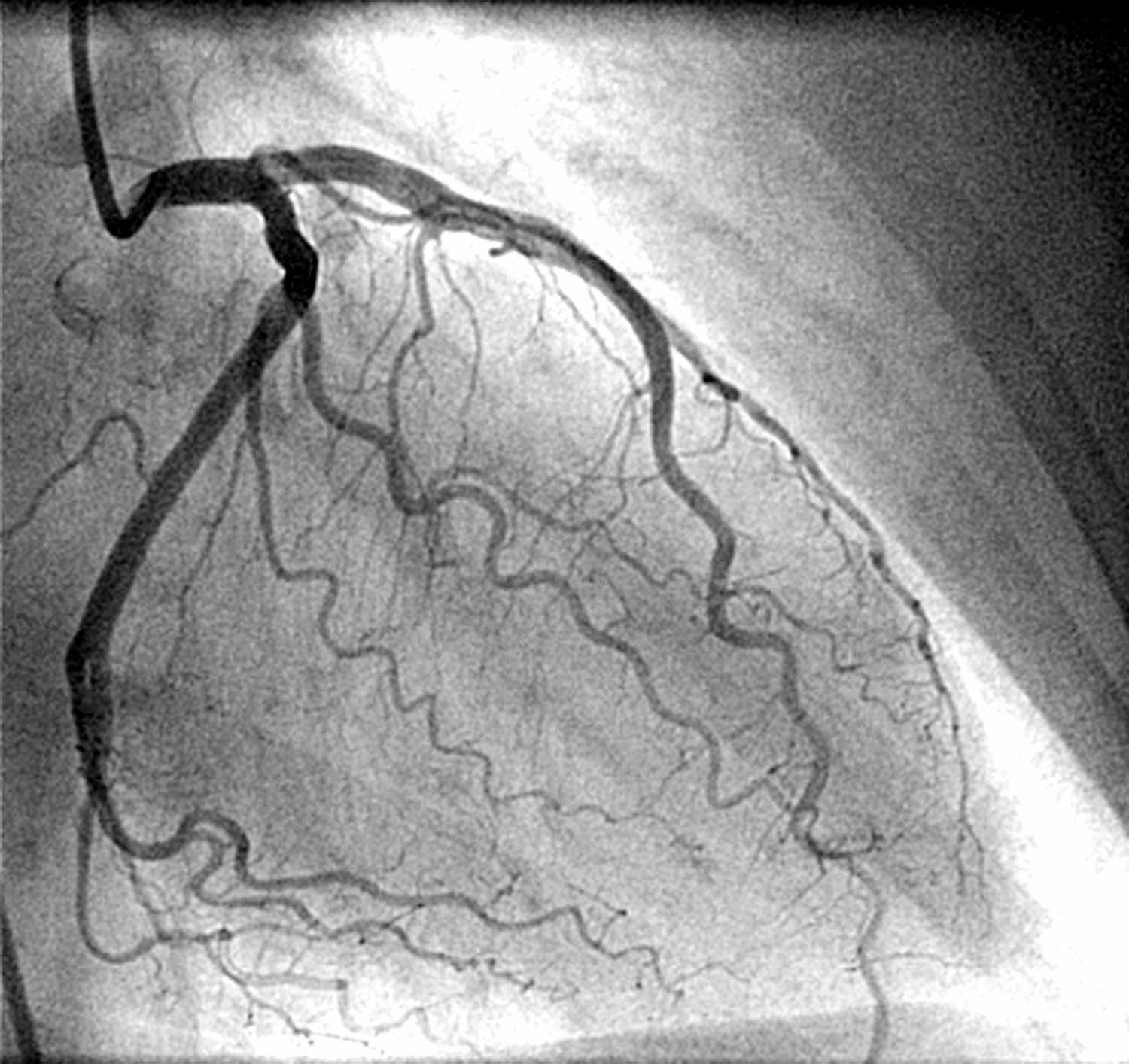
Contrast-Induced Nephropathy (CIN): An Update from the Cardiology Literature
Happy new year to all! I’ve been thinking about how much Nephrology content there is in non-renal journals and how much we miss by just reading the usual renal periodicals each month. You cannot be expected to read…

Top nephrology-related stories of 2013
The votes are in! Hard to believe that another year has come and gone. RFN has presented the top 10 stories as voted by the readers of RFN since 2010. 2013 proved to be another interesting year. This…
Top 10 Nephrology 2013 – Summaries
Four days left to vote for the top nephrology story of 2013. So far, the top 3 are: The CORAL Trial The Nephron-D Trial JASN paper showing improved mortality for online HDF compared with standard HD. The first…

UMOD, Translational Nephrology! Contender for Top 10 of 2013
Genome-wide association studies (GWAS) are large population based collaborative studies seeking genetic patterns that would explain common complex phenotypes. These large studies have given us much insight into the genetic risk profile of patients with diseases such as…

Extended-Release Tacrolimus: same old drug in a different package?
Tacrolimus extended-release capsules were approved in the US by the Food and Drug Administration (FDA) in July 2013. The development of this new formulation garnered interest due to a possible improvement in immunosuppressive medication compliance. This formulation has…