
Anti-Nephrin Antibodies in Minimal Change Disease
Approach to the Patient with Peritoneal Dialysis Catheter Dysfunction- Part 1
Want to write a case report? RFN has you covered with a list of journals to choose from
Have a Nephrology Question? There Might Be A #Tweetorial For That!
Conferences, Courses, & Grants
FOAMed
Interventional Nephrology Series
Focus on Point-of-Care Ultrasound in Nephrology (POCUN) Series
Kidney Biopsy of the Month Series
Jugular venous distention- the physical exam, continued…
Following on from Finnian’s last post, here are some remarkable videos from the 1950’s on JVP examination (physical examination of JVP begins at 3:38):

Intradialytic hypertension
I’ve recently had a few calls from our outpatient dialysis unit about patient’s with rises in their blood pressure during and after dialysis. Intradialytic hypotension is a very common phenomenon and it’s been interesting to learn that intradialytic…
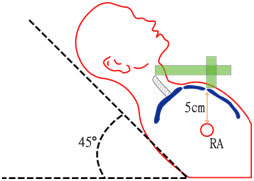
Jugular venous distention- the physical exam
The physical examination of volume status is perhaps the most common assessment we perform in everyday clinical practice. It is also one of the most difficult and subjective tasks to perform. In particular, the JVP is one of…

Obituary of first kidney donor- Ronald Herrick
Spare a thought today for Ronald Lee Herrick who died on Monday at age 79. In 1954, his identical twin brother, Richard, had end-stage kidney disease with little prospect of long-term survival. Dr Joseph Murray, a pioneering surgeon…

More insulin!
Peritoneal dialysis solutions containing glucose polymers are becoming more popular, particularly in patients on APD who tend to retain fluid during their daytime fills. The rationale for their use is that they lead to a reduced absorption of…

Top nephrology-related stories of 2010
2010 was a busy year in field of nephrology. RFN covered a wide variety of topics over the last year. Several news stories stood out. This is by no means a complete list of all of the major…

What causes IgA Nephropathy?
IgA nephropathy is the most common cause of glomerulonephritis in countries where renal biopsies are commonly performed. See a previous post on the wide variety of presentations with this syndrome and this review. But what do we know…
Neutropenia in transplant recipients
* How common is neutropenia after kidney transplantation and when does it usually occur? About 20-50% of kidney recipients will experience at least one episode of neutropenia. It typically occurs around day 100 after transplantation and it can…

Evolution of kidney transplantation in the HIV-positive recipient
The presence of HIV has in the past been viewed as a relative contraindication to transplantation. This stance stemmed from concerns that immunosuppression would exacerbate an already immunocompromised patient and accelerate the disease process of AIDs. Additionally, there…

Minocycline for the prevention of osmotic demyelination in hyponatremia
There’s a reason that 3 the 10 of the most frequently accessed in “Up to Date” articles relate to the management of hyponatremia. It makes doctors nervous, and I think the main reason for this is the threat…