
Anti-Nephrin Antibodies in Minimal Change Disease
Approach to the Patient with Peritoneal Dialysis Catheter Dysfunction- Part 1
Want to write a case report? RFN has you covered with a list of journals to choose from
Have a Nephrology Question? There Might Be A #Tweetorial For That!
Conferences, Courses, & Grants
FOAMed
Interventional Nephrology Series
Focus on Point-of-Care Ultrasound in Nephrology (POCUN) Series
Kidney Biopsy of the Month Series

Acquired versus Hereditary Forms of Hypokalemic Periodic Paralysis
Hypokalemic periodic paralysis is a relatively rare disease in which individuals experience transient, severe episodes of hypokalemia as a result of rapid intracellular potassium shift into skeletal muscle. The attacks typically manifest as muscle cramps, muscle paralysis, or…
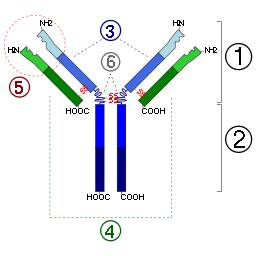
IVIG & Hyponatremia
It has been long recognized that IVIG–given for a variety of immune-mediated diseases and infections–has been associated with hyponatremia. In the recent “Electrolytes” edition of Neph-Sap, their explanation is a multifactorial one: 1. pseudohyponatremia: there is a massive…

Limitations of FENa in CKD
There is an insightful article in this month’s C-JASN entitled “Misapplications of Commonly-Used Kidney Equations: Renal Physiology in Practice” by Nguyen et al which is kind of fun to read. One of the clinical vignettes they present involves…

“Pay It Forward” Transplant Strategy
In last week’s New England Journal of Medicine there was a cool article by Rees et al describing a unique pair matching strategy for kidney transplants in which an ongoing chain of kidney transplantations–beginning with a single altruistic…

Malignant Hyperthermia
Malignant hyperthermia is a rare but potentially life-threatening genetically-inherited condition in which severe autonomic instability is induced by exposure to various anesthetics. The most common offending agents are halothane (and any other halogenated anesthetic compound) and succinylcholine, and…
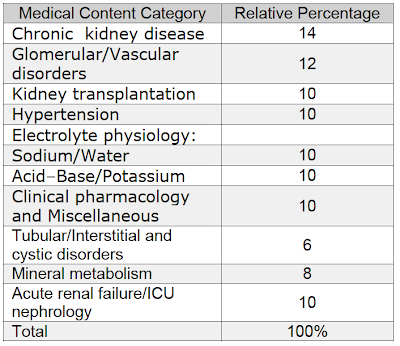
Nephrology Boards
For any 2nd year renal fellows out there reading this: your first chance to take the ABIM Nephrology Boards is coming up this November 18, 2009. You can sign up by May 1st for the amazingly low-price of…

Page Kidney
In 1939, Irwin Page performed an experiment in a dog model in which one kidney was wrapped in cellophane. The resultant external compression on the kidney resulted in elevated renin-angiotensin-aldosterone levels and severe hypertension. Over time, a loss…
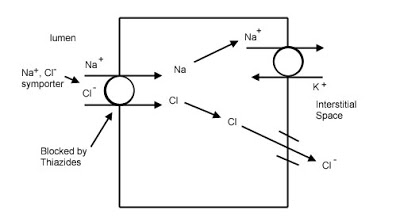
Thiazide-Induced Hyperglycemia
In recent years, there has been the suggestion that thiazide diuretics–long considered a front-line therapy for hypertension based on the ALLHAT study and others–may increase the risk of diabetes. Subsequent retrospective analysis of other major historical cohorts by…
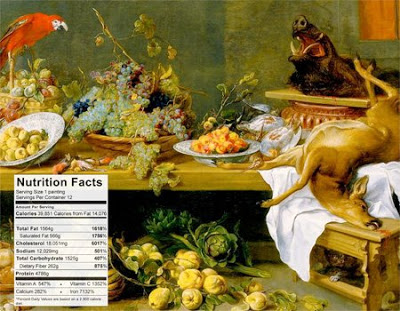
Refeeding Syndrome
The clinical entity of refeeding syndrome was first described in U.S. POWs in Japan who had been starved for many months to years, then developed extreme electrolyte abnormalities upon the reintroduction of food. The most common electrolyte abnormalities…

Beer Potomania
One of the admittedly rare causes of hyponatremia is beer potomania–the excessive consumption of beer in the absence of much food. How does beer potomania work? Beer has a very low content of sodium and protein–and if an…