
Anti-Nephrin Antibodies in Minimal Change Disease
Approach to the Patient with Peritoneal Dialysis Catheter Dysfunction- Part 1
Want to write a case report? RFN has you covered with a list of journals to choose from
Have a Nephrology Question? There Might Be A #Tweetorial For That!
Conferences, Courses, & Grants
FOAMed
Interventional Nephrology Series
Focus on Point-of-Care Ultrasound in Nephrology (POCUN) Series
Kidney Biopsy of the Month Series
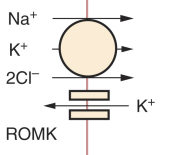
Why does hypomagnesemia result in refractory hypokalemia?
We’ve known this medical factoid since we were medical students: you can’t successfully replete a potassium-depleted patient if they have low magnesium levels. But what is the mechanism by which this occurs? One possible explanation is put forth…

TGF-betas & diabetic nephropathy
The TGF-beta family of proteins has wide effects on nearly every tissue of the body–it is one of the key players in a mammalian development and homeostasis. It also has particular relevance to renal pathophysiology as one of…
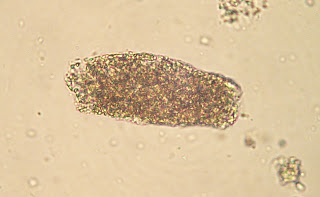
Scoring System for ATN vrs pre-renal AKI
One of the earliest time-saving tricks I learned as a Nephrology fellow was to always ask the covering housestaff to have a specimen of piping hot urine waiting for me at the time of the initial consult: I…

What is DOPPS?
DOPPS is an acronym which stands for “Dialysis Outcomes and Practice Patterns Study.” It is one of the largest prospective study of ESRD patients worldwide and is comprised of a random sampling of dialysis patients in a random…

Fabry’s Disease
Fabry’s Disease is an X-linked disease caused by a mutation in the alpha-galactosidase A gene, resulting in the accumulation of glycosphingolipids within lysosomes. In the kidney under electron microscopy, this is manifested as the presence of multiple round…

Glomerular Basement Membrane
The glomerular filtration barrier is traditionally thought of as being comprised of 3 layers: (1) the fenestrated endothelium, (2) the glomerular basement membrane, and (3) the podocyte foot processes. Focusing on (2) the glomerular basement membrane (GBM), this…

Toad Skin-Induced Hyperkalemia
Why is there a picture of a toad on the Renal Fellow Network? In reading the most recent edition of ESRD/Dialysis “NephSAP” (the ASN’s periodic review of relevant nephrology-themed literature), I learned about an unusual cause of hyperkalemia:…

Hemoglobin A1c in Dialysis Patients
The Hemoglobin A1c has proven to be one of the most utilized and helpful tests in the management of diabetes. Instead of relying on random blood sugars to adjust a diabetic’s insulin regimen, the HgbA1c (which increases in…

Preventing Ototoxicity with Aminoglycoside Therapy
Ototoxicity–which can occur via both auditory and vestibular mechanisms–is one of the major side effects of aminoglycoside use, particularly in dialysis patients. A recent paper looked at N-acetyl cysteine (NAC) as a potential strategy for preventing ototoxicity in…

Potter’s Syndrome/Sequence
Potter’s Syndrome–perhaps more accurately referred to as Potter’s Sequence as it refers to the pathophysiologic consequences of lack of kidney function in utero–is characterized by absence of renal function, oligohydramnios, pulmonary hypoplasia, and a characteristic “Potter’s facies”, in…