
Anti-Nephrin Antibodies in Minimal Change Disease
Approach to the Patient with Peritoneal Dialysis Catheter Dysfunction- Part 1
Want to write a case report? RFN has you covered with a list of journals to choose from
Have a Nephrology Question? There Might Be A #Tweetorial For That!
Conferences, Courses, & Grants
FOAMed
Interventional Nephrology Series
Focus on Point-of-Care Ultrasound in Nephrology (POCUN) Series
Kidney Biopsy of the Month Series

CVVH Basics
CVVH (continuous venovenous hemodialysis) is the form of CRRT (continuous renal replacement therapy) used in our hospital. Although most studies have not shown a mortality benefit in patients treated with intermittent hemodialysis versus those treated with CVVH, in…

The Ponticelli Protocol
When one is just beginning as a nephrology fellow, it may seem as if all the major glomerular diseases (e.g., membranous nephropathy, FSGS, lupus, etc) are all treated with the same protocols and same immunosuppressive agents: steroids, Cytoxan,…

Tonsillectomy for IgA Nephropathy?
IgA Nephropathy is the most common cause of glomerulonephritis globally. It is especially common in Japan, although some of this prevalence may be due to increased screening (all school children undergo a screening urinalysis as part of their…

Ecstasy-Induced Hyponatremia
The recreational drug ecstasy (MDMA) is known to result in hyponatremia–which has been reported to result in seizures and death–has a multifactorial mechanism which is interesting. MDMA is associated with elevated ADH levels. In addition, individuals who take…

Erythropoietin and Sickle Cell Disease
Heard an interesting presentation at our Renal Grand Rounds today regarding a young patient with end-stage renal disease secondary to sickle cell disease who is continually admitted for sickle cell crises. The question arose whether or not erythropoietin…
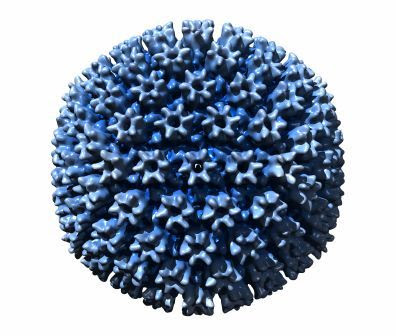
Drug-resistant CMV Infection
CMV (cytomegalovirus) infection is quite common in the transplant population, and fortuantely the development and utilization of valganciclovir (Valcyte), an oral prodrug of ganciclovir, as a prophylactic agent has dramatically cut down on the number of CMV infections…

PKD Molecular Genetic Analysis
Autosomal Dominant Polycystic Kidney Disease (ADPKD) is caused by the autosomal dominant transmission of mutations in one of two genes identified thus far: PKD1 (which accounts for about 85% of all cases and encodes for the polycystin-1 protein)…

Uremic Pericarditis
We are all familiar with “uremic pericarditis” as one of the standard indications for initiating dialysis, and the number of physical exams with a negative cardiac rub I have documented this year is truly impressive. Which is why,…

the MEPEX Trial
When you are called at 5pm to start pheresis on a patient with Wegener’s granulomatosis who is already on dialysis…there is a certain part of the renal fellow which wants to say, “Come on–the dude is already on…

Recurrent FSGS after Transplant
There are many diseases which can recur following renal transplant: examples include IgA Nephropathy (which has a very high rate of recurrence on follow biopsy but is rarely clinically relevant in that it does not cause significant allograft…