
Anti-Nephrin Antibodies in Minimal Change Disease
Approach to the Patient with Peritoneal Dialysis Catheter Dysfunction- Part 1
Want to write a case report? RFN has you covered with a list of journals to choose from
Have a Nephrology Question? There Might Be A #Tweetorial For That!
Conferences, Courses, & Grants
FOAMed
Interventional Nephrology Series
Focus on Point-of-Care Ultrasound in Nephrology (POCUN) Series
Kidney Biopsy of the Month Series

Michelle P Winn Endowed Lectureship, ASN 2014
At this year’s ASN Kidney Week in Philadelphia Andrey Shaw, MD, presented the inaugural Michelle P Winn Endowed Lectureship. Dr Shaw was not only a longtime collaborator of Michelle’s but also a very close personal friend making him…

Blogger night at #KidneyWk14 on Thursday
Thursday night at 8:30 pm, Blogger Night (after the ASN Presidents Reception). If you like the Neph Social Media Crew from Twitter, Renal Fellow Network, AJKDblog or NephJC, join us for drinks at Field House Philly sports bar….

Nephrology fellows events at ASN #KidneyWk14
Welcome Reception: Nov 12th: 6-7PM Marriott Downtown, Grand Ballroom, Salon H Fellows In Training Bowl (Mystery Case Debate): Nov 14th 2-3PM Convention Center, Room 119A Fellows In Training Bowl (Jeopardy game Nephrology Challenge): Nov 14th 3-4PM Convention Center,…

NephJC Live at ASN Kidney Week 2014
The Nephrology twitter journal club will come to life on Saturday 15th November at Kidney Week in Philadelphia. NephJC co-founders Dr Joel Topf and Dr Swapnil Hiremath will co-host the event at the Double Tree hotel. There will…
Preventing PD Peritonitis: What’s the Evidence?
Peritoneal dialysis associated peritonitis is the second commonest cause of death among PD patients (35/1000 years) and the most common cause of treatment failure. It confers a CV risk of 7 times normal for 6 months following the…
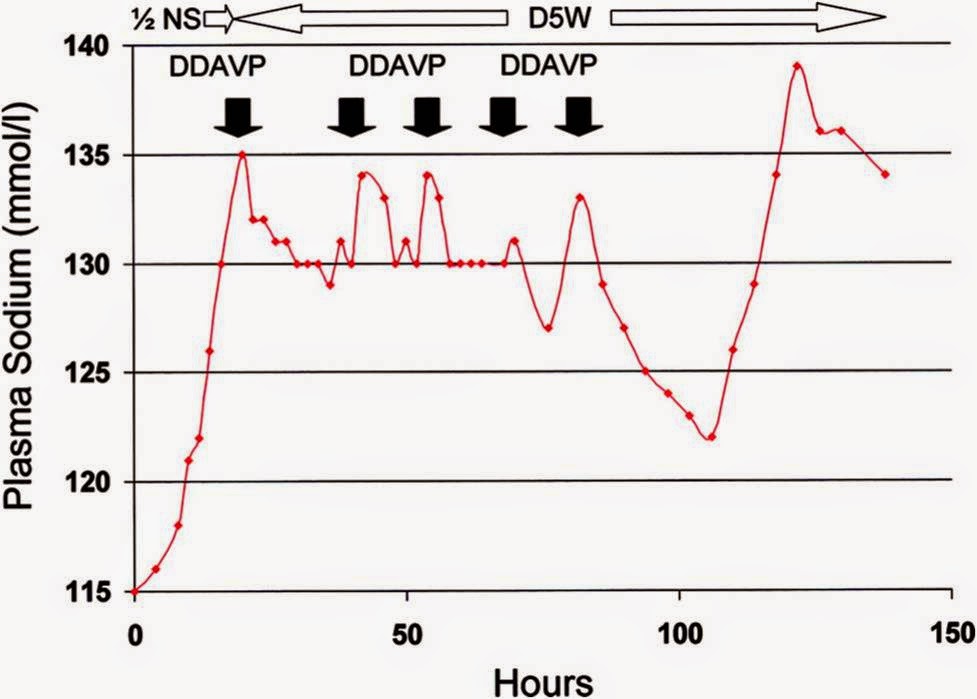
SEVERE CHRONIC HYPONATREMIA: A Pathophysiological Rumination.
PART 4: CONTROL ISSUES 1. Losing Control: In the preceding posts, I explained how sudden emergence of water diuresis as the predominant mechanism by which rapid overcorrection of serum sodium happens in cases of severe chronic hyponatremia. Few…
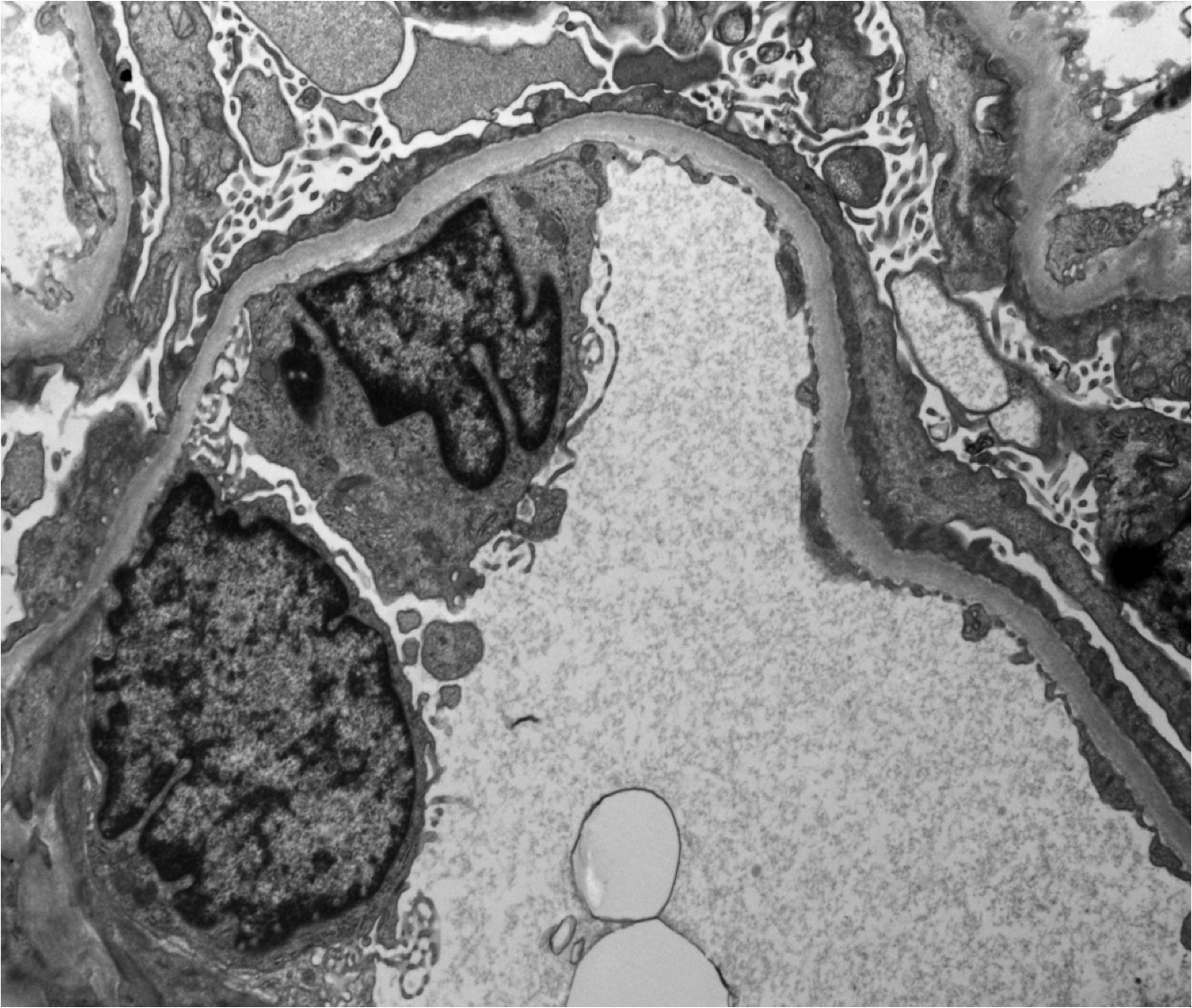
FSGS biomarker updates—suPAR, B7-1, CD40 and more…
FSGS is the most common glomerular disorder causing end-stage kidney disease in the USA with a high post-transplant recurrence rate of 20-50%. Furthermore, the treatment of post-transplant recurrent FSGS is extremely challenging. While reading a recent article on…
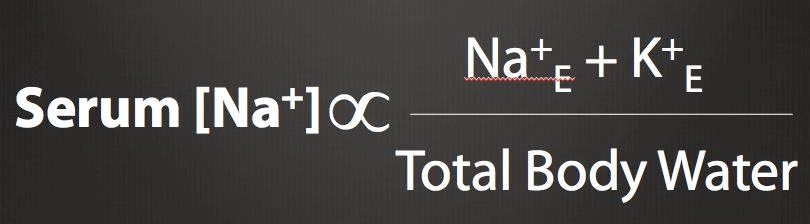
SEVERE CHRONIC HYPONATREMIA: A Pathophysiological Rumination (Part 3)
PART 3: THE DANGERS OF “DEPLETION” In my previous post concerning chronic severe hyponatremia, I explained how over corrections of serum sodium of large magnitude required a dilute large volume diuresis, often precipitated by resolution of a transient…
SEVERE CHRONIC HYPONATREMIA: A Pathophysiological Rumination (Part 2)
PART 2: THE PEE IS THE KEY I mentioned in the previous post that severe hyponatremia is multifactorial and that the contributing etiological factors in any given case may be transient and reversible. In this post I would…

SEVERE CHRONIC HYPONATREMIA: A Pathophysiological Rumination (Part 1)
INTRODUCTION: Severe chronic hyponatremia (<120 mEq/L) remains the #1 reason nephrologists lose sleep on call nights and rightly so. The fear of overcorrection and the risk of central pontine myelinolysis (CPM) or osmotic demyelination syndrome (ODS), however uncommon…