
Anti-Nephrin Antibodies in Minimal Change Disease
Approach to the Patient with Peritoneal Dialysis Catheter Dysfunction- Part 1
Want to write a case report? RFN has you covered with a list of journals to choose from
Have a Nephrology Question? There Might Be A #Tweetorial For That!
Conferences, Courses, & Grants
FOAMed
Interventional Nephrology Series
Focus on Point-of-Care Ultrasound in Nephrology (POCUN) Series
Kidney Biopsy of the Month Series
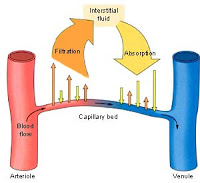
Calcium blocker induced dependent oedema
Dihydropyridine (DHP) calcium channel blockers are notoriously associated with dependent oedema, but what mechanisms underlie the pathogenesis of this finding? Here are some explanations from a nice review I came across. Going back to Starling’s forces governing the…

Hypokalaemia induced polyuria
Last time we reviewed the proposed mechanisms by which hypercalcaemia can induce polyuria. It’s important to know that hypokalaemia can also precipitate this presentation. So here are the proposed mechanisms for this scenario. Potassium is required for the…

A matter of protocol
The use of the protocol transplant biopsy is a divisive topic: some units see a protocol program as necessary for proper management post-transplantation, whilst others deride the whole concept as unnecessary. So who is right? Protocol biopsies are…
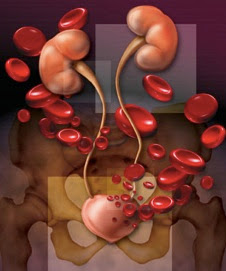
Hematuria: Deep on the DDx
Recently at our biopsy conference we had the case of a healthy middle aged man presented who had come to medical attention with episodes of painless gross hematuria. He had consistent rbcs on UAs, normal renal imaging, a…

Peak or Trough?
We were recently consulted on a patient with a history of repeated admissions with pneumonia who had developed AKI following treatment with Tobramycin. It got me thinking about the mechanisms of aminoglycoside toxicity. The traditional teaching is that…

Hypercalcaemia induced polyuria
So Leo’s post got me thinking about the pathophysiology of hypercalcaemia-induced polyuria. I wanted to share what I have learned in relation to the mechanisms of this phenomenon. Calcium-sensing receptors (CaSR) are found on the basolateral membrane of…

Post-transplant Lymphoproliferative Disease
Although the term Post-transplant Lymphoproliferative Disease (PTLD) encompasses all lymphoproliferative disorders post transplant, it generally refers to extra-nodal B-cell lymphomas due to Ebstein-Barr virus (EBV) infection. PTLD is a B-cell disease caused by iatrogenic T-cell dysfunction: in people…
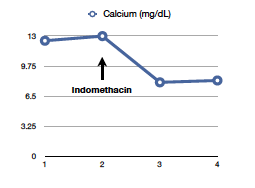
NSAIDs: new tricks from an old drug
A 62-year-old man with CKD stage 3 secondary to presumed hypertension presented with new-onset hypercalcemia. PTH level was low at 11 and abdominal imaging revealed a right renal mass that later was confirmed to be a renal cell…

National Course for Renal Fellows: Origins of Renal Physiology September 3-10, 2011
Places are still open for renal fellows to join the Mount Desert Island Biological Laboratories, near Acadia National Park in Maine, for this 1 week course. Taught by nationally prominent renal physiologists (who are also superb teachers), trainees…