
Anti-Nephrin Antibodies in Minimal Change Disease
Approach to the Patient with Peritoneal Dialysis Catheter Dysfunction- Part 1
Want to write a case report? RFN has you covered with a list of journals to choose from
Have a Nephrology Question? There Might Be A #Tweetorial For That!
Conferences, Courses, & Grants
FOAMed
Interventional Nephrology Series
Focus on Point-of-Care Ultrasound in Nephrology (POCUN) Series
Kidney Biopsy of the Month Series
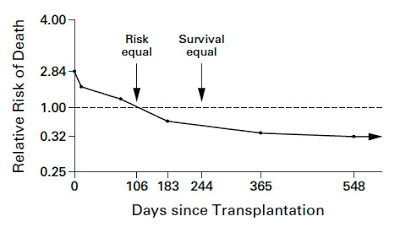
Cardiovascular mortality after transplantation – Are we doing a good enough job?
The evaluation of a dialysis patient for possible kidney transplantation is a great challenge. On one side, we know that if the patient continues on dialysis, his yearly mortality will be around 20%. On the other hand, kidney…

GnRH analogues for prevention of premature ovarian failure
Various glomerulonephritides unfortunately often require treatment with chemotherapeutic agents, such as cyclophosphamide. A potential adverse effect of these agents in females of child-bearing age, is premature ovarian failure. Nate previously posted about this. Since then, there have been…
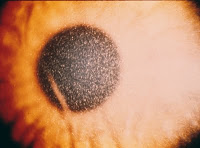
Cystinosis
Cystinosis is an autosomal recessive disease caused by a mutation in CTNS, which encodes the lysosomal transporter of cystine. Without this, cystine gradually accumulates in cells causing progressive damage. The commonest kind is “nephropathic cystinosis” which is the…
FDA, Statin and Transplantation – A conundrum
We are facing a conundrum in post-transplant lipid management after the recent warning from the FDA, which updated the label of simvastatin. This drug is now contraindicated in patients taking cyclosporine due to the potential for liver dysfunction…
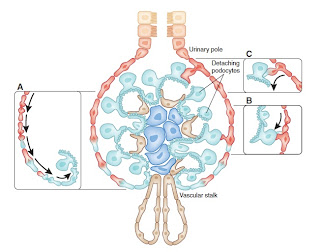
The Renopoietic System
Early in 2009 Nate posted on work suggesting that renal tubular epithelial cells had the ability to repopulate the renal tubular epithelium after ischemia reperfusion injury. Since then, some amazing work has been done on what have been…
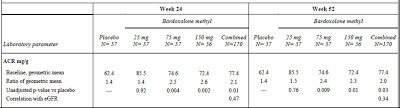
Bardoxolone – Part 2
Last year, Matt wrote a great post detailing the preliminary results of a randomized, controlled trial that had been presented at the ASN in November. It was reported that the anti-inflammatory modulator, Bardoxolone, significantly increased eGFR, in a…
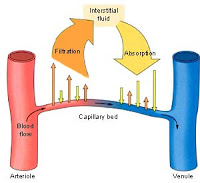
Calcium blocker induced dependent oedema
Dihydropyridine (DHP) calcium channel blockers are notoriously associated with dependent oedema, but what mechanisms underlie the pathogenesis of this finding? Here are some explanations from a nice review I came across. Going back to Starling’s forces governing the…

Hypokalaemia induced polyuria
Last time we reviewed the proposed mechanisms by which hypercalcaemia can induce polyuria. It’s important to know that hypokalaemia can also precipitate this presentation. So here are the proposed mechanisms for this scenario. Potassium is required for the…

A matter of protocol
The use of the protocol transplant biopsy is a divisive topic: some units see a protocol program as necessary for proper management post-transplantation, whilst others deride the whole concept as unnecessary. So who is right? Protocol biopsies are…