
Anti-Nephrin Antibodies in Minimal Change Disease
Approach to the Patient with Peritoneal Dialysis Catheter Dysfunction- Part 1
Want to write a case report? RFN has you covered with a list of journals to choose from
Have a Nephrology Question? There Might Be A #Tweetorial For That!
Conferences, Courses, & Grants
FOAMed
Interventional Nephrology Series
Focus on Point-of-Care Ultrasound in Nephrology (POCUN) Series
Kidney Biopsy of the Month Series

Plasma Exchange for Catastrophic Antiphospholipid Antibody Syndrome
Interesting case for the weekend: young woman with known lupus, baseline normal kidney function; admitted initially with headaches and “feeling more lupusy than usual”, found to have a creatinine of 2.5 on admission with some dysmorphic RBCs on…
Basic Renal Anatomy
Here’s a video describing basic renal anatomy. Reviewing the vasculature is always a good idea: renal artery–>segmental arteries–>interlobar arteries–>arcuate arteries–>interlobular arteries–>afferent arterioles–>glomerular capillaries–>efferent arteriole.
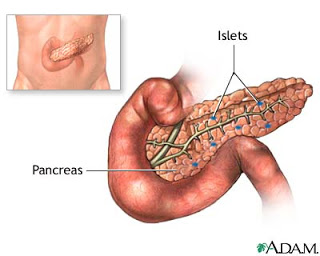
Bladder versus Enteric Drainage of Pancreatic Transplants
Saw a patient today in clinic who was s/p simultaneous pancreas-kidney transplant about 15 years ago. The kidney is hanging in there (Cr 2.5mg/dl) and the patient does not require insulin, so we have to consider the transplant…
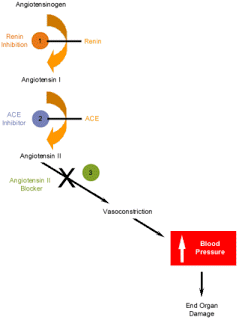
Dual ACE/ARB therapy: ONTARGET
The ONTARGET trial was on the major trials looking at the potential benefits of dual ACE-inhibitor (ACE-I)/angiotensin receptor blocker (ARB) therapy. Although it was not intended to specifically examine the effects of dual blockade of the renin-angiotensin system…

Kidney Transplant Allocation Policy
I heard a great talk today detailing possible changes in store for the national policy for kidney transplant allocation, as set forward by the Organ Procurement and Transplanation Network (OPTN) (the organization which helps administer UNOS). The current…

Schistosomiasis and Renal Disease
Schistosoma species–also known as blood flukes and bilharzia–can cause some interesting forms of renal disease. Although this is not so common in the United States, it is a very common public health problem in Africa and Asia. Chronic…

Route of EPO Administration
In the U.S., erythropoietin is typically delivered as 3x/week intravenous injections in the ESRD population. This turns out to be a fairly significant cost, as Medicare-related payments for EPO comprise about 25% of the ESRD budget, which itself…

Treatment Options for Intradialytic Hypotension
Intradialytic hypotension is a relatively common complication in dialysis patients. Here are some of the common therapeutic options to deal with this: 1. Increase the dry weight: one cause for intradialytic hypotension is simply over-ultrafiltration–if a patient is…

Renal Complications of ESWL
Extracorporeal shock wave lithotripsy (ESWL), invented during the 1980s in Germany, uses concentrated pulses of sound waves to break up kidney stones too large to pass on their own into smaller pieces, which will then have a chance…

From the RFN Archives: Drug-Induced ANCA
A subset of patients with ANCA-associated vasculitis have drug-induced ANCA disease. There are a few features of drug-induced ANCA disease which set it apart from “idiopathic” ANCA disease, but overall the clinical symptoms are similar. Drug-induced ANCA almost…