
Anti-Nephrin Antibodies in Minimal Change Disease
Approach to the Patient with Peritoneal Dialysis Catheter Dysfunction- Part 1
Want to write a case report? RFN has you covered with a list of journals to choose from
Have a Nephrology Question? There Might Be A #Tweetorial For That!
Conferences, Courses, & Grants
FOAMed
Interventional Nephrology Series
Focus on Point-of-Care Ultrasound in Nephrology (POCUN) Series
Kidney Biopsy of the Month Series

What does SPRINT mean for HTN and CKD?
There has been much fanfare regarding the release of the SPRINT trial in the last several weeks. Finally, evidence that intensive blood pressure reduction is good! But, does this apply to everyone? Is there adverse risk to lowing…
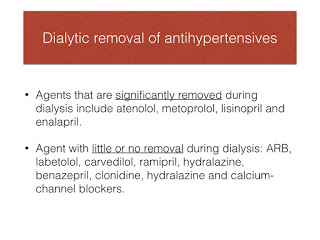
Hypertensive emergency during dialysis
We had an interesting discussion yesterday about a young patient with ESRD secondary to diabetic nephropathy who was recently initiated on hemodialysis and reported headaches, chest heaviness and shortness of breath during dialysis sessions associated with a rise…

Attend NephroTalk 2016 to Improve Your Communication Skills
As a nephrology fellow, do you want to take your communication skills to the next level? Join us in Pittsburgh in February, 2016 for the fourth annual NephroTalk Communication Workshop, a three day course for nephrology fellows modeled…

Hypoxia Inducible Factor and Anemia.
Several new therapies to treat anemia in patients with CKD and ESRD have recently been launched that will likely expand the treatment options. For the last few weeks I have been hearing frequently about Hypoxia Inducible Factors (HIFs)…

Blogger Night at ASN Kidney Week
Everyone is invited to the 2015 blogger night (I believe it is the 5th annual) at BarleyMash on the corner of 5th and Market on Thursday November 5th from 7-11pm. The event is hosted by NephJC and Satellite…
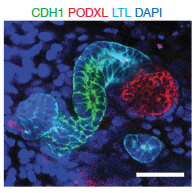
Kidney regeneration. The stride continues…
The past two weeks have been exciting for the field of regenerative medicine in nephrology. Two papers demonstrated the feasibility of developing kidney cells from human pluripotent stem cells. One from the USA by Dr Joseph Bonventre’s group…
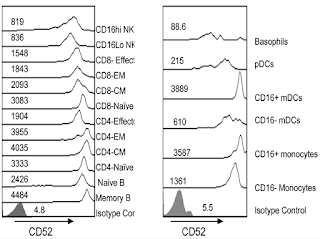
Alemtuzumab for refractory rejection: what is the data?
For severe or refractory rejections, thymoglobulin/ATG is commonly employed in combination with steroids and B-cell targeted therapies when indicated. However, alemtuzumab could be more effective then thymoglobulin since it depletes not only T cells but also memory B…

Infections and intravenous iron
An interesting study appeared in my email this morning examining the association between the use of iv iron and outcomes in hemodialysis patients with systemic infections. Current guidelines from all of the major societies suggest that if patients…

KDPI score and donor urinary biomarkers: poor predictors of graft outcome
KDPI (kidney donor profile index) is a numerical measure that combines ten variables about a donor, including clinical parameters and demographics, to express the quality of the donor kidneys relative to other donors. It has been reported by…
Eculizumab dosing in aHUS patients undergoing kidney transplantation
Hemolytic uremic syndrome is a thrombotic microangiopathy characterized by thrombocytopenia, microangiopathic hemolytic anemia and renal impairment. Most cases (90%) are secondary to infections, such as E. Coli (serotypes O157:H7, O103:H2). For a more comprehensive review about aHUS, check…