
Anti-Nephrin Antibodies in Minimal Change Disease
Approach to the Patient with Peritoneal Dialysis Catheter Dysfunction- Part 1
Want to write a case report? RFN has you covered with a list of journals to choose from
Have a Nephrology Question? There Might Be A #Tweetorial For That!
Conferences, Courses, & Grants
FOAMed
Interventional Nephrology Series
Focus on Point-of-Care Ultrasound in Nephrology (POCUN) Series
Kidney Biopsy of the Month Series

Core Competencies
In 1999, the Accreditation Council for Graduate Medical Education (ACGME)–the organization which oversees all residency and fellowship programs in the U.S. and is responsible for their official status as a licensed training program–issued a list of 6 Core…

Dialyzer Reactions
Dialyzer reactions can be classified into two types: “Type A” and “Type B”.Simplistically stated, one is serious and the other one isn’t. A good pneumonic I recently learned from Dr. Daniel Coyne of Washington University-St. Louis at a…
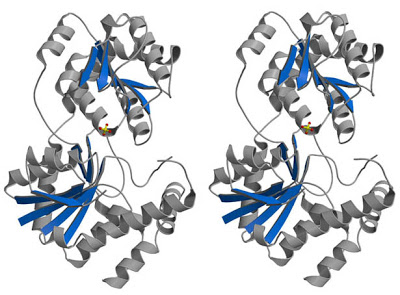
General Rules Regarding the Dialyzability of Drugs
For many common drugs, we have a good idea of whether or not they are dialyzed off. We know that it’s important to re-dose vancomycin after a dialysis session since some of it is removed; conversely, drugs such…
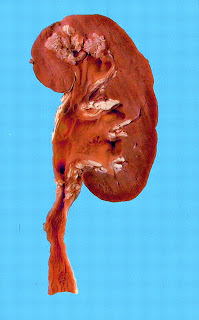
Renal TB
TB is classically thought of as a pulmonary disease–and in general, this is true, as pulmonary TB is by far the most common (and often very severe) manifestation of infection by Mycobacterium tuberculosis. However, the most common NON-pulmonary…
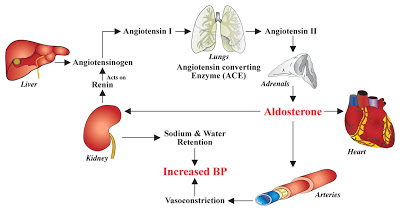
Basic Review: The Renin-Angiotensin-Aldosterone Axis
One of the coolest aspects of the renin-angiotensin-aldosterone system (RAAS) is that it involves multiple organ systems: the liver, lung, adrenal gland, kidney, and vasculature are all prominently involved. It never hurts to review basic physiologic principles, right?…
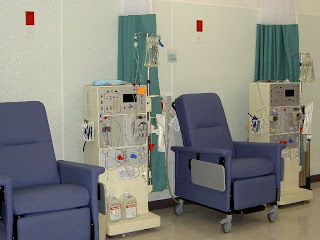
Bundling
It’s a hot topic amongst dialysis centers around the country: bundling. Here’s my attempt to explain it in a brief manner. If anybody has corrections or comments about this explanation, feel free to make them known. With the…
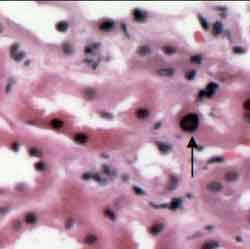
Pathology of BK Nephropathy
BK Nephropathy refers to damage suffered to a renal allograft as a result of the polyomavirus BK virus. It is named based on the fact that it was originally isolated in the urine of a kidney transplant…

Recent Urine NGAL Biomarkers Studies
Two recent articles in JASN–one by Siew et al and the other by Paragas et al–provide further support to the idea of using urinary NGAL as a biomarker for acute kidney injury. An accompanying editorial by Lynda Szczech,…

pre-dilutional versus post-dilutional CVVH
There are two general strategies for CVVH replacement solution entering into the blood circuit: pre-dilution (in which replacement solution is mixed with the blood prior to its entry into the filter), or post-dilution (in which replacement solution is…

Rule of Thirds in Membranous Nephropathy
Keeping with our recent theme of “numerical rules in Nephrology”, let’s briefly discuss the “Rule of Thirds” for Membranous Nephropathy. The “Rule of Thirds” is frequently taught in medical school and a useful way of thinking about the…