
Anti-Nephrin Antibodies in Minimal Change Disease
Approach to the Patient with Peritoneal Dialysis Catheter Dysfunction- Part 1
Want to write a case report? RFN has you covered with a list of journals to choose from
Have a Nephrology Question? There Might Be A #Tweetorial For That!
Conferences, Courses, & Grants
FOAMed
Interventional Nephrology Series
Focus on Point-of-Care Ultrasound in Nephrology (POCUN) Series
Kidney Biopsy of the Month Series

cyclosporine versus tacrolimus
The two calcineurin inhibitors routinely used for kidney transplant immunosuppression are cyclosporine (CSA) and tacrolimus (TAC). Their mechanism of action is somewhat similar (they both inhibit calcineurin, which under normal circumstances induces transcription of IL-2 in lymphocytes) but…
Surgery Intern Boy Band
Okay, I’ll admit, there’s no Nephrology tie-in here. But props to the Mass General Hospital surgical interns for using their undoubtedly sparse spare time to make this ridiculous music video.

Kidney transplant lingo
Continuing with the theme of yesterday’s Kidney Transplant post, here are some commonly-used Kidney Transplant Lingo & Acronyms: CRT/DDKT: CRT = cadaveric renal transplant, which is starting to be replaced by DDKT (deceased donor kidney transplant)–I guess some…

We Need More Kidneys!
Example of a paper whose conclusion is summed up quite nicely in the full title: “Half of Kidney Transplant Candidates Who Are Older than 60 Years Now Placed on the Waiting List Will Die before Receiving a Deceased-Donor…

Race & Risk for ESRD
See if you can answer this True or False question: The increased risk of ESRD in African-Americans is due to the increased risk of hypertension and diabetes seen in this population. I think the prevailing view in…

Caveats for Using Renal Ultrasound to Diagnose Post-Renal Failure
Most would agree that the renal ultrasound is an invaluable tool in the workup of acute kidney injury. Although the renal ultrasound can give information regarding kidney echogenicity and presence of renal cysts, by and large its predominant…

Sensipar for APKD?
Following on the heels of studies showing a potentially beneficial effect for vasopressin receptor antagonists and rapamycin in the treatment of renal cystic disorders, an article in this month’s JASN by Gattone et al suggests another class of…
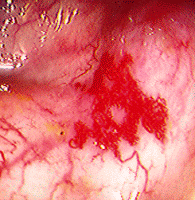
GI Bleeding in ESRD Patients
While the GI & renal systems are not typically linked together, there are a few aspects to managing a GI Bleed in patients with CKD/ESRD which are somewhat unique. For instance, angiodysplasias in the stomach, duodenum and…

FENa False Positives/Negatives
This post is somewhat basic but it’s always good to review, right?The FENa is one of the most commonly used tools by both nephrologists and non-nephrologists to assess the etiology of oliguric renal failure in a patient. Classically,…
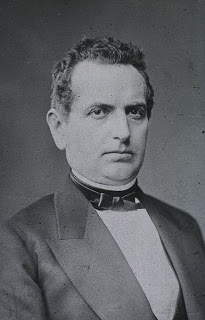
Genetics of Wilms Tumor
Wilms Tumor–named after the German surgeon/pathologist Max Wilms (pictured at left)–is an embryonal tumor that derives from developing kidney tissue. Wilms was the first to postulate that tumors may arise from precursor cells which arise during development, and…