
Anti-Nephrin Antibodies in Minimal Change Disease
Approach to the Patient with Peritoneal Dialysis Catheter Dysfunction- Part 1
Want to write a case report? RFN has you covered with a list of journals to choose from
Have a Nephrology Question? There Might Be A #Tweetorial For That!
Conferences, Courses, & Grants
FOAMed
Interventional Nephrology Series
Focus on Point-of-Care Ultrasound in Nephrology (POCUN) Series
Kidney Biopsy of the Month Series
Lifeport Kidney Transporter
Here’s a cool little feature from the folks at CBS News describing the use of the “Lifeport Kidney Transporter”–a new hypothermia-perfusion device which functions as a significant upgrade from the standard cooler in which donor kidneys are transported…
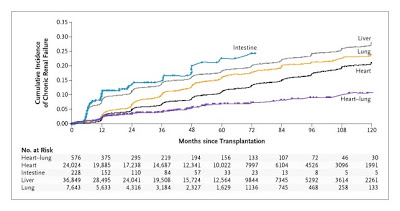
Development of CKD in Non-Renal Organ Transplants
As the longevity of non-renal organ transplants increases, so too does the risk of eventually getting chronic kidney disease. The occurrence of post-transplant CKD is relatively common due to two primary factors: (1) a dependence on calcineurin inhibitors…
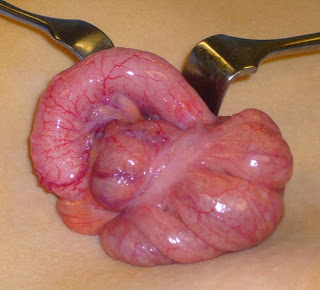
New Urine Test for Appendicitis
Traditionally surgeons have relied on a well-honed abdominal exam, combined with abdominal imaging usually in the form of an iv-contrast CT scan, to make the diagnosis of acute appendicitis. Nevertheless, there remain significant instances of “false negatives” (usually…

Serum Alkaline Phosphatase as risk factor for CV Disease in ESRD Patients
Quick one today: interesting article in a recent issue of C-JASN by Shantouf et al that demonstrates a link between serum alkaline phosphatase levels and vascular calcification in patients with ESRD. Briefly, the study examined 137 randomly-selected ESRD…
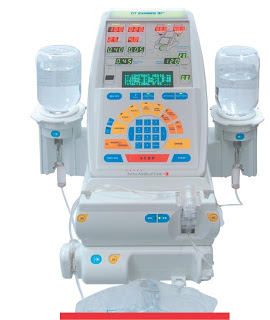
Prophylactic Hemodialysis for IV Contrast Exposure?
The issue comes up all the time: you try and set up one of your ESRD patients for a procedure requiring iv contrast, such as a cardiac catheterization or a PE-protocol CT scan. You get a call from…

Useful Autoantibodies in Lupus Nephritis
Quick review of the autoantibodies that may be useful in the diagnosis and management of patients with lupus-related kidney disease: anti-nuclear antibody (ANA): as well as know from our internal medicine days: very sensitive, but not very specific….

Use of Hypoglycemic Agents in CKD
Maintaining adequate glycemic control in patients with diabetic kidney disease can be a challenge. First, it is hypothesized that worsened glycemic control will lead to a greater tendency towards diabetic nephropathy. Second, individuals with more advanced CKD are…

Renal Transplant “Matchmaker” Busted
As has been extensively detailed over the past week, one of the key guilty parties in the large federal sting operation exposing shockingly Sopranos-type corruption throughout the state of New Jersey was this man: Levy Isaac Rosenbaum, allegedly…
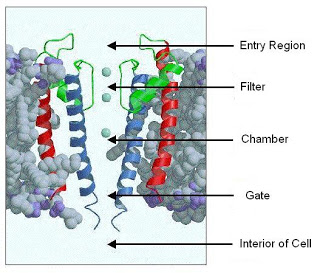
EAST Syndrome
A relatively recent study by Bockenhauer et al in NEJM reports the identification of a new disease gene in a rare tubulopathy syndrome that sheds light on the physiologic mechanisms of salt transport in the kidney. The article…

Magnesium Therapy in Eclampsia/Pre-Eclampsia
Eclampsia and pre-eclampsia are characterized by the new onset of hypertension and proteinuria after 20 weeks of gestation in a previously normotensive woman. One of the major causes of morbidity to both mother & fetus is the occurrence…