
Anti-Nephrin Antibodies in Minimal Change Disease
Approach to the Patient with Peritoneal Dialysis Catheter Dysfunction- Part 1
Want to write a case report? RFN has you covered with a list of journals to choose from
Have a Nephrology Question? There Might Be A #Tweetorial For That!
Conferences, Courses, & Grants
FOAMed
Interventional Nephrology Series
Focus on Point-of-Care Ultrasound in Nephrology (POCUN) Series
Kidney Biopsy of the Month Series

Aggrenox for Maintaining AV Graft Patency?
A very significant percentages of ESRD patient admissions derive from clotted dialysis access–the “lifeline” dialysis patients require in order to survive on dialysis. Any maneuver or treatment which is successful in preventing, or even delaying, access thrombosis would…
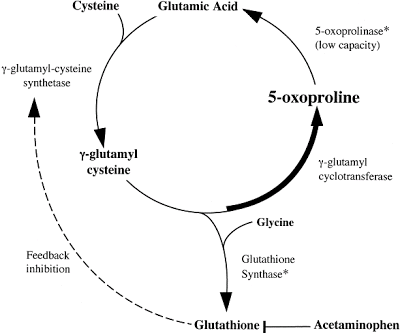
5-Oxoprolinuria as a Cause for Metabolic Acidosis
One of the rare (but potentially underdiagnosed) causes of anion gap metabolic acidosis is acquired 5-oxoprolinuria due to excessive Tylenol ingestion. To explain how this works, you need to familiarize yourself briefly with the gamma-glutamyl cycle, a series…

Nature versus Nurture in Deceased Donor Kidney Transplant Pairs
A recent paper in the most recent issue of JASN by Louvar et al asks the “nature versus nurture” question of deceased donor kidney transplants. Using data from the US Renal Data System (USRDS), the investigators looked at…
Branching Morphogenesis
If a picture is worth a thousand words, then a movie is worth a thousand pictures, right? What is this video of exactly? This elegant work comes from the lab of Frank Costantini and colleagues at Columbia University,…
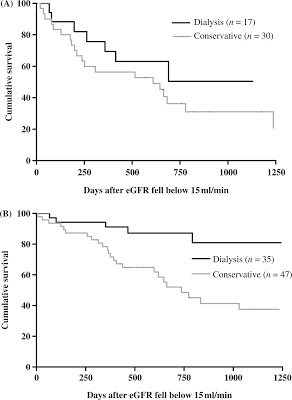
Dialysis in the Elderly
The rate of patients >75 years of age initiating dialysis has grown substantially in the U.S. over the past two decades. This has to do with several factors, including improvements in medical technology enabling people to live long…
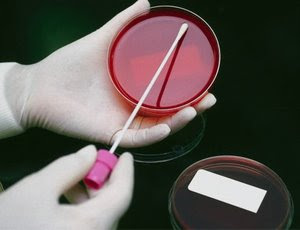
3 Key Facts Regarding Catheter-Related Bacteremia
The following “3 Key Facts Regarding Catheter-Related Bacteremia” are taken from Eliot Heher’s “MGH Nephrology Handbook” distributed to nephrology fellows every year which I find very helpful: Fact #1: Fever and chills are highly predictive of positive blood…
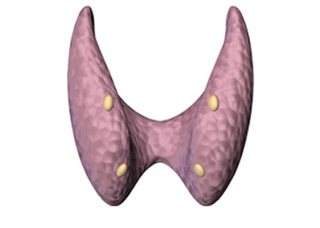
Differentiating FHH from Primary Hyperparathyroidism
One of the diagnostic dilemmas which frequently comes up in the outpatient evaluation of hypercalcemia (and also, I’m told, on boards-type exams) is how to differentiate familial hypocalciuric hypercalcemia versus primary hyperparathroidism–both of which are common causes of…

Zebrafish Model of Cystic Kidney Disease
For the research component of my Nephrology fellowship, I’ve chosen an unorthodox route: I am using the zebrafish as a model organism for the study of kidney disease. The zebrafish system has a number of advantages. First,…

Potassium-Sparing Diuretics
The potassium-sparing diuretics consist of the following 4 medications–only some of which (spironolactone & eplerenone in the list below) are structurally similar. Spironolactone is an antagonist of the aldosterone receptor, which like other steroid receptors is an…

The importance of residual renal function
A recent review in this month’s AJKD by Perl and Bargman describes the increasingly recognized importance of residual renal function in dialysis patients’ prognoses. Although the benefits of residual renal function are most obvious in patients undergoing peritoneal…