
Anti-Nephrin Antibodies in Minimal Change Disease
Approach to the Patient with Peritoneal Dialysis Catheter Dysfunction- Part 1
Want to write a case report? RFN has you covered with a list of journals to choose from
Have a Nephrology Question? There Might Be A #Tweetorial For That!
Conferences, Courses, & Grants
FOAMed
Interventional Nephrology Series
Focus on Point-of-Care Ultrasound in Nephrology (POCUN) Series
Kidney Biopsy of the Month Series

Baclofen in dialysis patients: Just say no!
At our hospital, we started noticing a pattern of admissions among some of our maintenance dialysis patients. In one case, an elderly woman with DM, peripheral arterial disease, and ESRD on thrice weekly hemodialysis was sent to the…
Lithium and the Kidney: Old Observations & New Insights
Lithium is indispensable as an effective treatment for bipolar affective disorder. However, it has a narrow therapeutic index with desired therapeutic levels between 0.6 and 1.2 mEq/L. Lithium is handled by the kidney (responsible for almost all its…
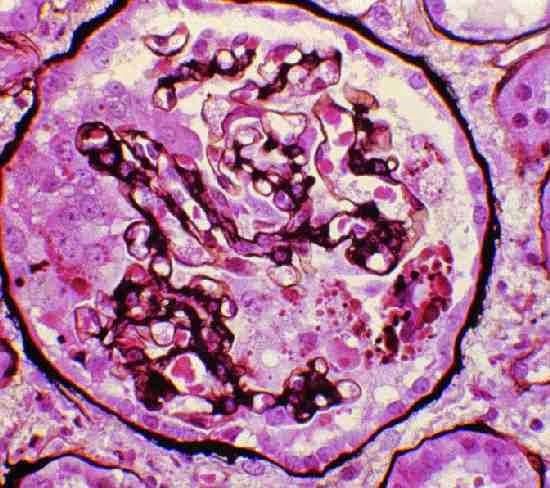
Parvovirus B19 and the Kidney
Parvovirus B19 (PVB19) is a small, non-enveloped, single-stranded DNA virus belonging to the Erythrovirus genus, named for their tropism for erythroid precursor cells. It is the only known parvovirus to infect humans. By late adulthood, most people have…

Lessons from the Akita mouse
Diabetic nephropathy (DN) is a major cause of ESRD worldwide. While many attempts have been made to develop reliable animal models that mimic human disease—ob/ob, db/db obese diabetes type 2 diabetes models, NOD1 mice, streptozotocin (STZ)-induced diabetes model…

“Liquid Biopsy” – measuring cell-free circulating donor DNA to predict allograft rejection
Transplant physicians face the challenge to detect allograft rejection using non-sensitive biomarkers and clinical signs/symptoms. For kidney transplant, serum creatinine, urinalysis for proteinuria or hematuria, are so far used for screening for rejection and/or assessment of graft function….
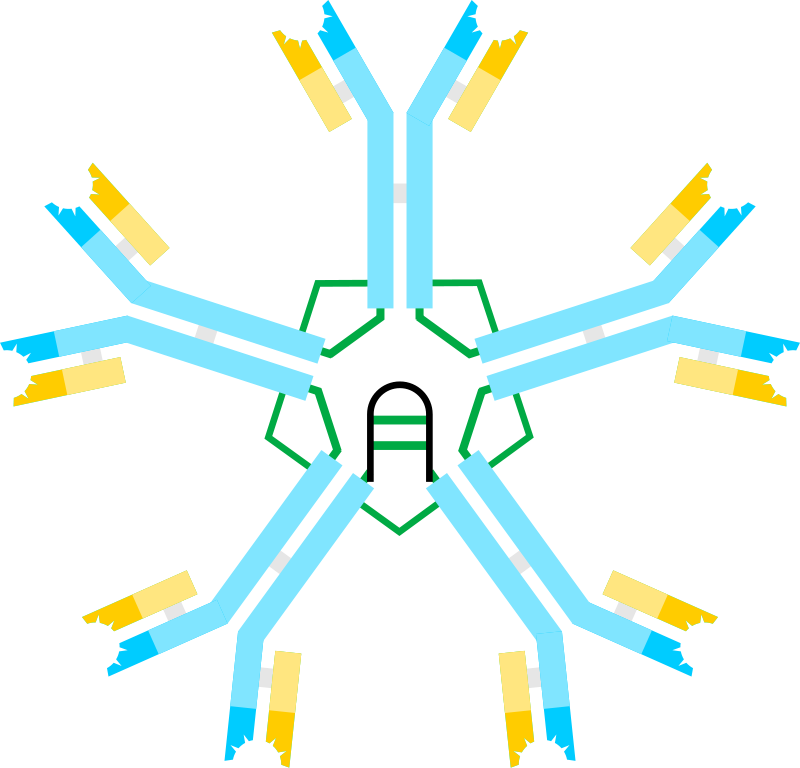
IgM Nephropathy: What You Need to Know
Similar to my recent post on C1q Nephropathy, IgM Nephropathy (IgMN) is a podocytopathy that is often considered a variant of Minimal Change disease (MCD) or FSGS. Like C1QN, it is also a controversial entity with a lack…

POSEIDON Trial for Contrast Induced Nephropathy: The Next #NephJC
The next Nephrology Twitter Journal Club (@NephJC) will discuss the POSEIDON Trial which has been published in The Lancet. Interest in the prevention of Contrast Induced Nephropathy (CIN) is alive and well with several novel approaches/therapies being recently…

Exams Are Coming
This season’s Game of Thrones finished last night and as a nephrology-themed homage, a trainee from Malaysia, Lee Jun, created this poster during downtime while studying for his exams. Enjoy.
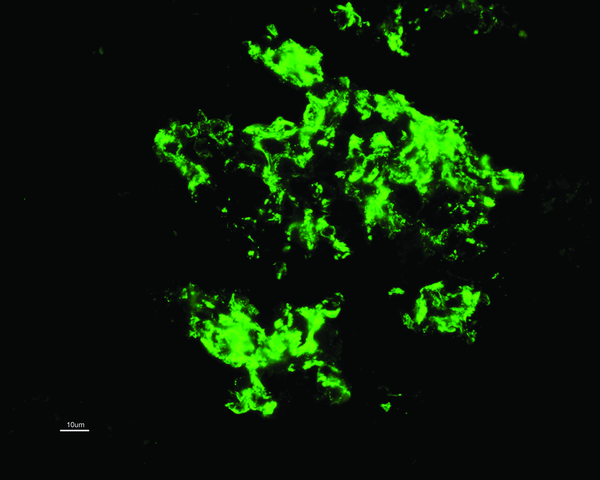
C1q Nephropathy: What You Need to Know
I saw a 20 year old African American male in clinic with nephrotic range proteinuria, reduced GFR and no signs or symptoms of a systemic disease. His mother developed ESRD at age 36 and his brother, aged 26,…

Immortality
A few months ago, a paper was published in the International Journal of Epidemiology that caused a sensation in it’s home country – Denmark. Using registry data, and the diagnosis of non-melanomatous skin cancer as a proxy for…