
Anti-Nephrin Antibodies in Minimal Change Disease
Approach to the Patient with Peritoneal Dialysis Catheter Dysfunction- Part 1
Want to write a case report? RFN has you covered with a list of journals to choose from
Have a Nephrology Question? There Might Be A #Tweetorial For That!
Conferences, Courses, & Grants
FOAMed
Interventional Nephrology Series
Focus on Point-of-Care Ultrasound in Nephrology (POCUN) Series
Kidney Biopsy of the Month Series

There’s an app for that: calculating the dose of dialysis, the free Adequator app
The use of extracorporeal therapies, like dialysis, is a core part of nephrology training and practice. Fellowship programs spend a considerable amount of time delivering educational content aimed at kidney replacement therapies (KRT). This included hemodialysis, home-based dialysis,…
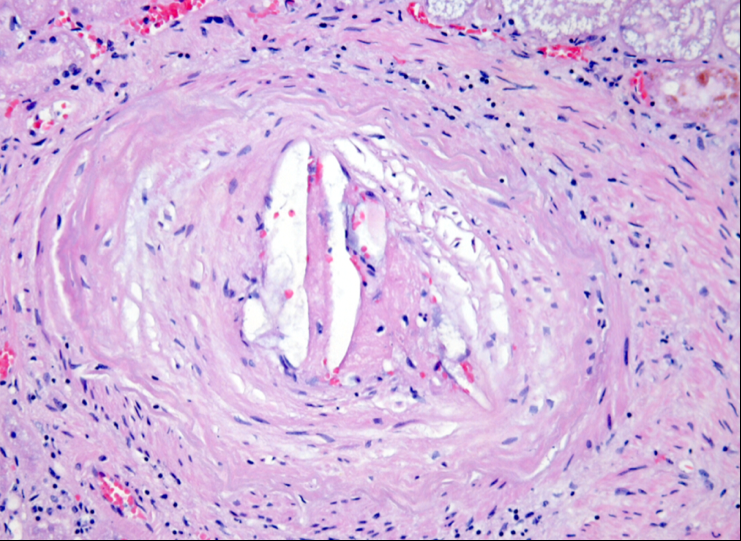
Kidney Biopsy of the Month: Atheroembolic Kidney Disease
Introduction Atheroembolic kidney disease develops due to occlusion of small renal arteries by cholesterol crystal emboli originating from the rupture of atheromatous aortic plaques. It is part of a systemic disease and embolization often affects other organs such…

Skeleton Key Group: Electrolyte Case #5
Welcome to the fifth case of the Skeleton Key Group, a team of twenty odd nephrology fellows who work together to build a monthly education package for Renal Fellow Network. The cases are actual cases (without patient identifying information) that…
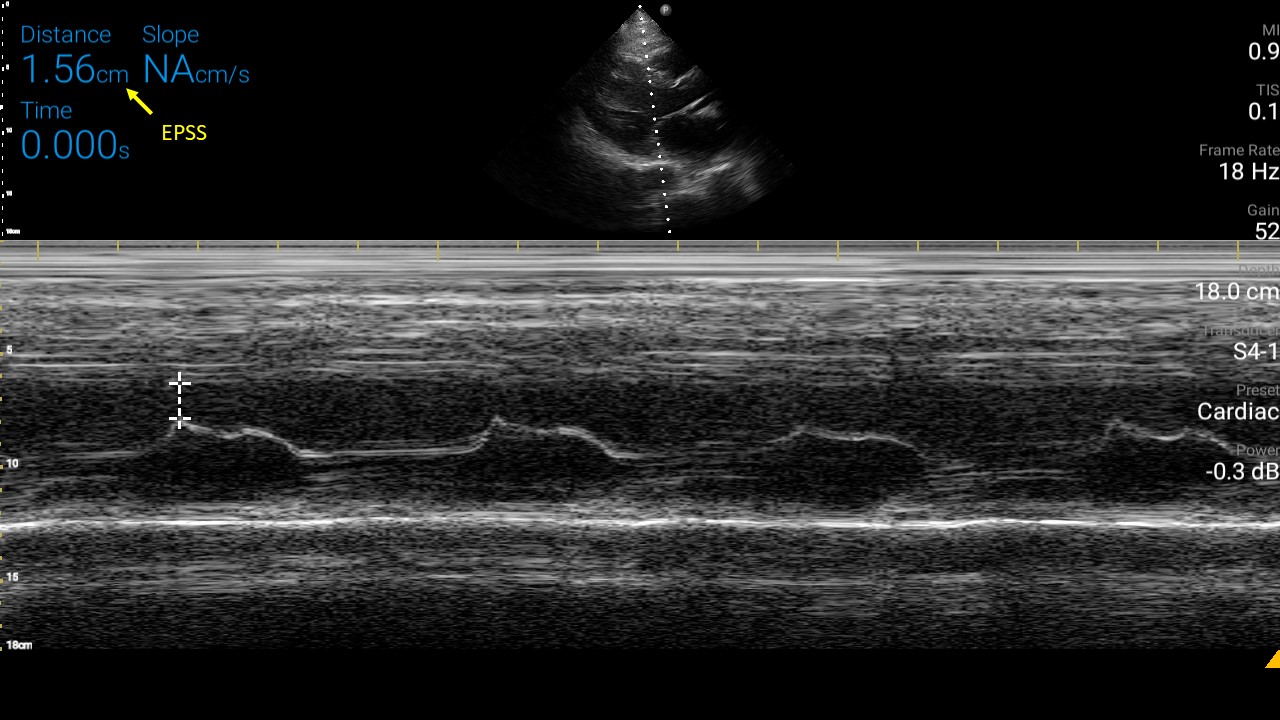
Focused Cardiac Ultrasound for the Nephrologist: Utility of the M-mode
M-mode, or the motion mode is used to image moving structures and measure their degree of motion over time. While we use it as an adjunct to 2-dimensional echocardiography (= regular greyscale ultrasound), M-mode has actually been used…
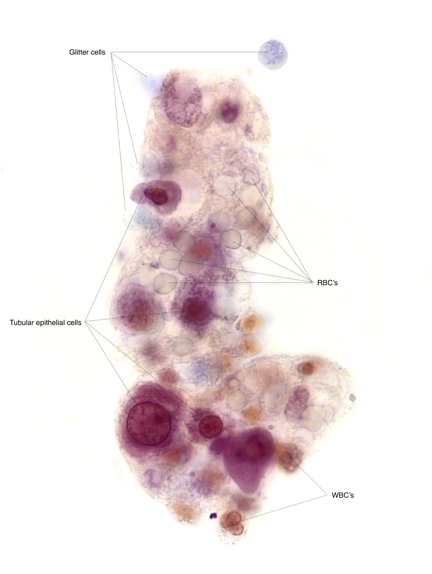
Urine Sediment of the Month: A Case of Recurrent “Sinus Infections,” Pyuria, & Hematuria
This is a fictional case, designed for educational purposes The Case The patient is a 66 year-old with a history of hypertension who presented with complaints of fatigue and recurrent “sinus infections” over the past few months. He…

A Case of Primary Hyperoxaluria Type 1 & Combined Liver-Kidney Transplant
Hyperoxaluria can cause a spectrum of disease ranging from urinary stone disease (USD), chronic kidney disease (CKD), end stage kidney disease (ESKD) to systemic deposition of oxalate leading to end organ damage. It can be broadly divided into…

What do we (NO) about tubuloglomerular feedback?
The kidney is all about balance; specifically the balance of fluid and electrolytes. This is in the face of sometimes an incredible onslaught of perturbations in homeostasis. To accomplish this impressive feat, the kidney is equipped with a…

Point-of-Care Immersion Ultrasound Course for Nephrologists
Point-of-care ultrasound (POCUS) refers to the use of portable ultrasonography at a patient’s bedside for diagnostic and therapeutic purposes. At the 2-day Point-of-Care Ultrasound Immersion Course, attendees receive 12-hours of instruction in ultrasonography techniques using pocket-sized, handheld ultrasound…

Telemedicine & Nephrology
In 1996, the Institute of Medicine defined telemedicine as the use of electronic information and communication technologies to provide and support health care when distance separates “participants”. Telehealth is a broad term encompassing the use of electronic communication…
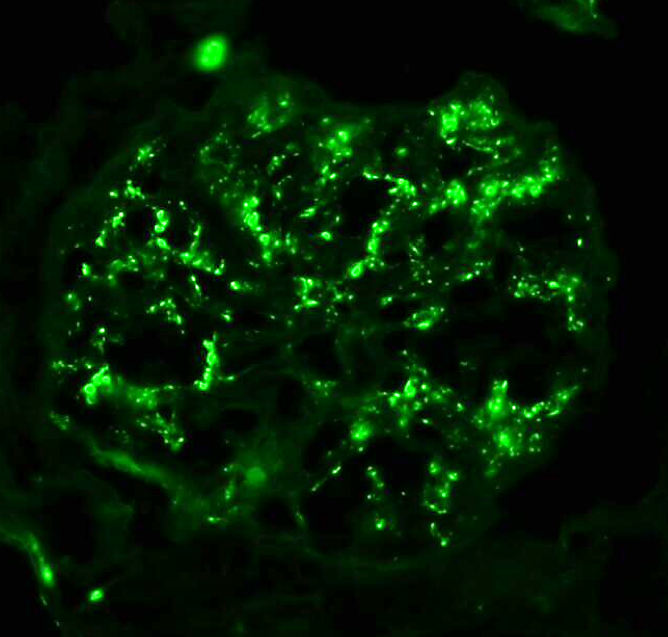
Kidney Biopsy of the Month: C3 Glomerulonephritis
Our focus on myeloma related disorders continues- view previous posts here. Pathogenesis C3GN is a type of glomerulonephritis characterized by dominant C3 deposition resulting from overactivation of the alternative pathway of complement (APC) from acquired or hereditary causes. The…