
Anti-Nephrin Antibodies in Minimal Change Disease
Approach to the Patient with Peritoneal Dialysis Catheter Dysfunction- Part 1
Want to write a case report? RFN has you covered with a list of journals to choose from
Have a Nephrology Question? There Might Be A #Tweetorial For That!
Conferences, Courses, & Grants
FOAMed
Interventional Nephrology Series
Focus on Point-of-Care Ultrasound in Nephrology (POCUN) Series
Kidney Biopsy of the Month Series

Kidney Biopsy of the Month: Diabetic Nephropathy
Morphological changes due to diabetes are similar in type 1 and type 2 diabetes and can be observed in all the 4 structural compartments of the kidney: glomeruli, vessels, interstitium, and tubules. Approximately one-third of diabetics will develop…
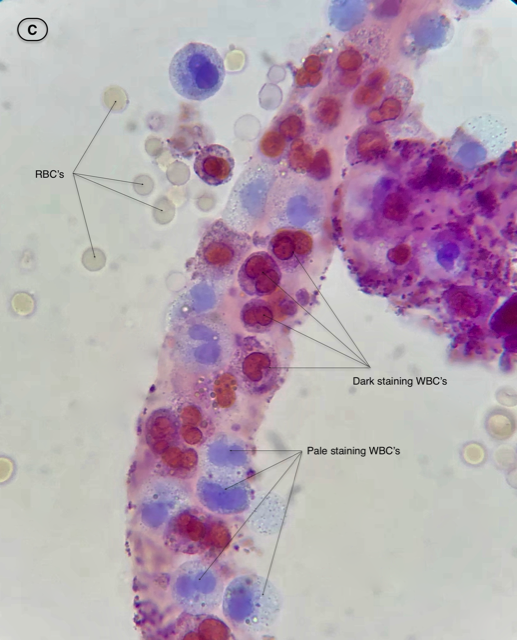
Urine Sediment of the Month: White Blood Cells, “Glitter Cells”, and WBC Casts
White blood cells (WBC’s) in the urine may occur as a result of infection or inflammation anywhere in the urinary tract and the segmented polymorphonuclear neutrophil is the type most often encountered. These WBC’s are identified by the…

Experimental Biology: A Glimpse into the Ever-Expanding Field of Hypertension
Experimental Biology (EB) took over the city of Orlando, FL from April 6th to the 10th. It is the largest interdisciplinary annual meeting, hosting five different societies, and bringing together thousands of scientists from around the world. It…

5 Reasons (Including Prizes) Why You Should Fill Out The ASN 2019 Fellows’ Survey
Dear Nephrology Fellows, The ASN’s annual nephrology fellows’ survey is open! Didn’t receive the survey email? Send an e-mail to Kurtis Pivert. Nephrology fellows receive multiple surveys a month – but why you should take 5-10 minutes to…

The Effects of Neprilysin Inhibition on GFR in CKD
I always like to remind my cardiology colleagues that some of the most important drugs used in the cardiovascular arsenal, are in fact exerting their benefits through the kidneys. Case is point, drugs that target the renin-angiotensin-aldosterone system….
UAB CRRT Academy 2019
This annual symposium is open to nephrology and pulmonary/critical care fellows, clinicians, nurses, pharmacists and anyone interested in obtaining a practical understanding of continuous renal replacement therapy (CRRT). Registration is now open. When: August 29 and 30, 2019…

ADPKD – How do Cysts form?
Autosomal dominant polycystic kidney disease (ADPKD) is one of the most common genetic kidney disorders with a reported incidence ranging from 1:500 to 1:1000. The genes implicated in the disorder are PKD1 (encoding polycystin 1) and PKD2 (encoding…
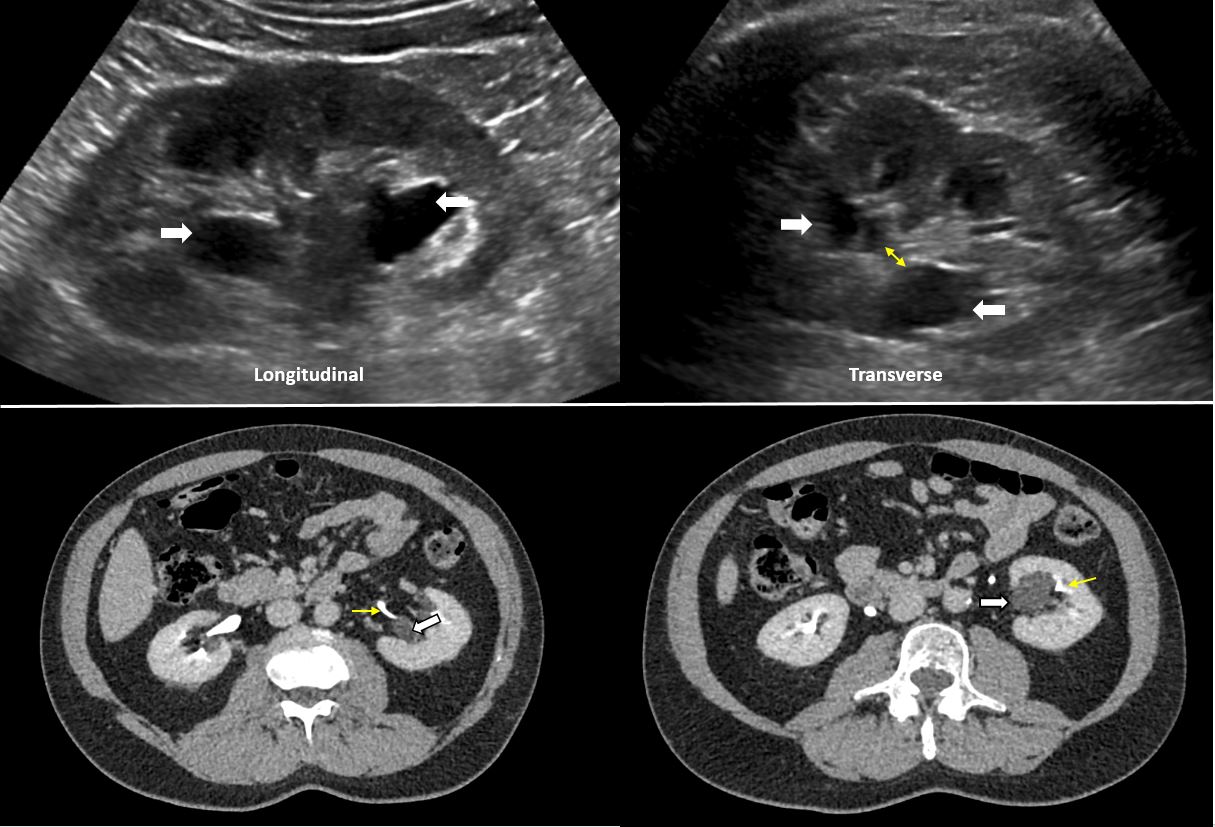
The Ultrasound Mimics of Hydronephrosis
As a general rule, in any patient presenting with acute kidney injury without an obvious cause, obstructive nephropathy must be excluded because prompt intervention can lead to improvement or complete recovery of renal function. Therefore, the detection of…

Landmark Nephrology Highlights a Common Clinical Conundrum: Steroids for IgA Nephropathy
In an ideal world, patients would present to our clinic with straightforward conditions, allowing us to confidently treat the patient with effective medications which will likely have much more benefit than harm. However, we also commonly encounter patients…
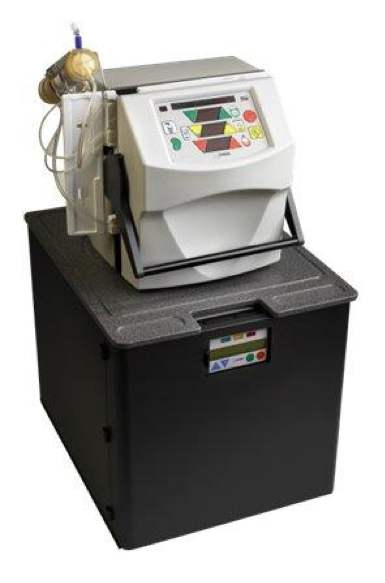
Home Hemodialysis: A Thing of the Past, a Lesser Known Reality of Our Present, or a Promise of the Future?
Welcome to the “Home Hemodialysis Series” on the Renal Fellow Network! Once Upon a Time “Perhaps what we need is a home dialysis unit to be placed by the patient’s bedside, so that he can plug himself in…