
Anti-Nephrin Antibodies in Minimal Change Disease
Approach to the Patient with Peritoneal Dialysis Catheter Dysfunction- Part 1
Want to write a case report? RFN has you covered with a list of journals to choose from
Have a Nephrology Question? There Might Be A #Tweetorial For That!
Conferences, Courses, & Grants
FOAMed
Interventional Nephrology Series
Focus on Point-of-Care Ultrasound in Nephrology (POCUN) Series
Kidney Biopsy of the Month Series

Dosing in SIADH: A Tale of Two Tolvaptans
Hyponatremia from the Syndrome of Inappropriate Anti-Diuretic Hormone (SIADH) is a common consult a fellow encounters on the inpatient service. In addition to stopping potentially offending drugs, management can range from fluid restriction, loop diuretics, demeclocycline, salt tablets,…
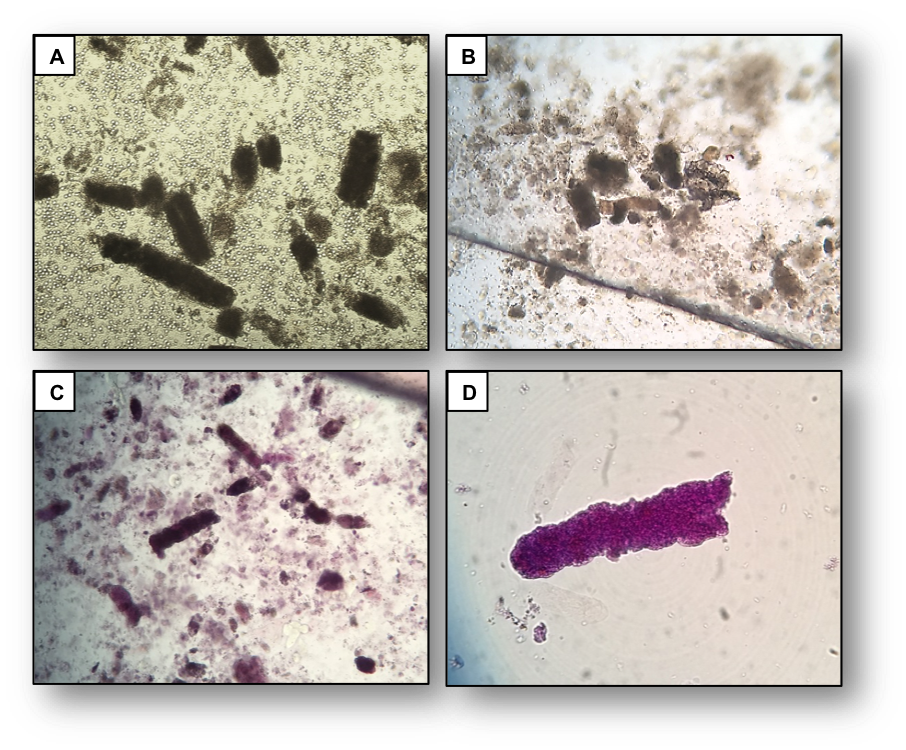
Urine Sediment of the Month: Granular & “Muddy Brown” Casts
Perhaps that most highly sought finding in urinary sediment microscopy is the presence of granular casts. In clinical grounds, granular casts are typically associated with acute tubular injury (ATI) and guide the differentiation between prerenal and overt tubular…

Hemodialysis Catheter Complications (And What To Do About Them)
Introduction Ideally, patients with end-stage kidney disease would begin hemodialysis with a mature, functional arteriovenous access. However, in certain subgroups of patients, central venous catheters (CVCs) are unavoidable. Even for patients who ultimately use an arteriovenous fistula (AVF)…

Kidney Biopsy of the Month – The Blood Vessels
Our review of normal kidney histology concludes with the vasculature. The kidneys are richly vascular organs, receiving approximately one-quarter of the cardiac output. The renal vascular architecture is unique and complex, allowing the kidney to perform its many…

Not Just Muscle Damage – The Many Ways Cocaine Causes Kidney Injury
As a nephrology trainee, everyone expects you to know all things nephron. I was having a corridor discussion with a rheumatology colleague about a recent case. He mentioned a young man who presented with acute kidney injury following…

The Role of FGF23 in AKI and CKD: Beyond Phosphorus Regulation
Introduction Fibroblast growth factor-23 (FGF23) is an osteocyte derived hormone that regulates serum phosphorus levels and vitamin D synthesis; inducing a negative phosphorus balance. Serum FGF23 levels increase early in chronic kidney disease (CKD). Furthermore, such elevations precede…

The Case of Intradialytic Hypotension
“Doctor, I’m calling because Mrs. X has 2 hours of treatment left. This is the third time her blood pressure has been low…What do you want me to do?” Intradialytic hypotension (IDH) is a universal, often unavoidable scenario…
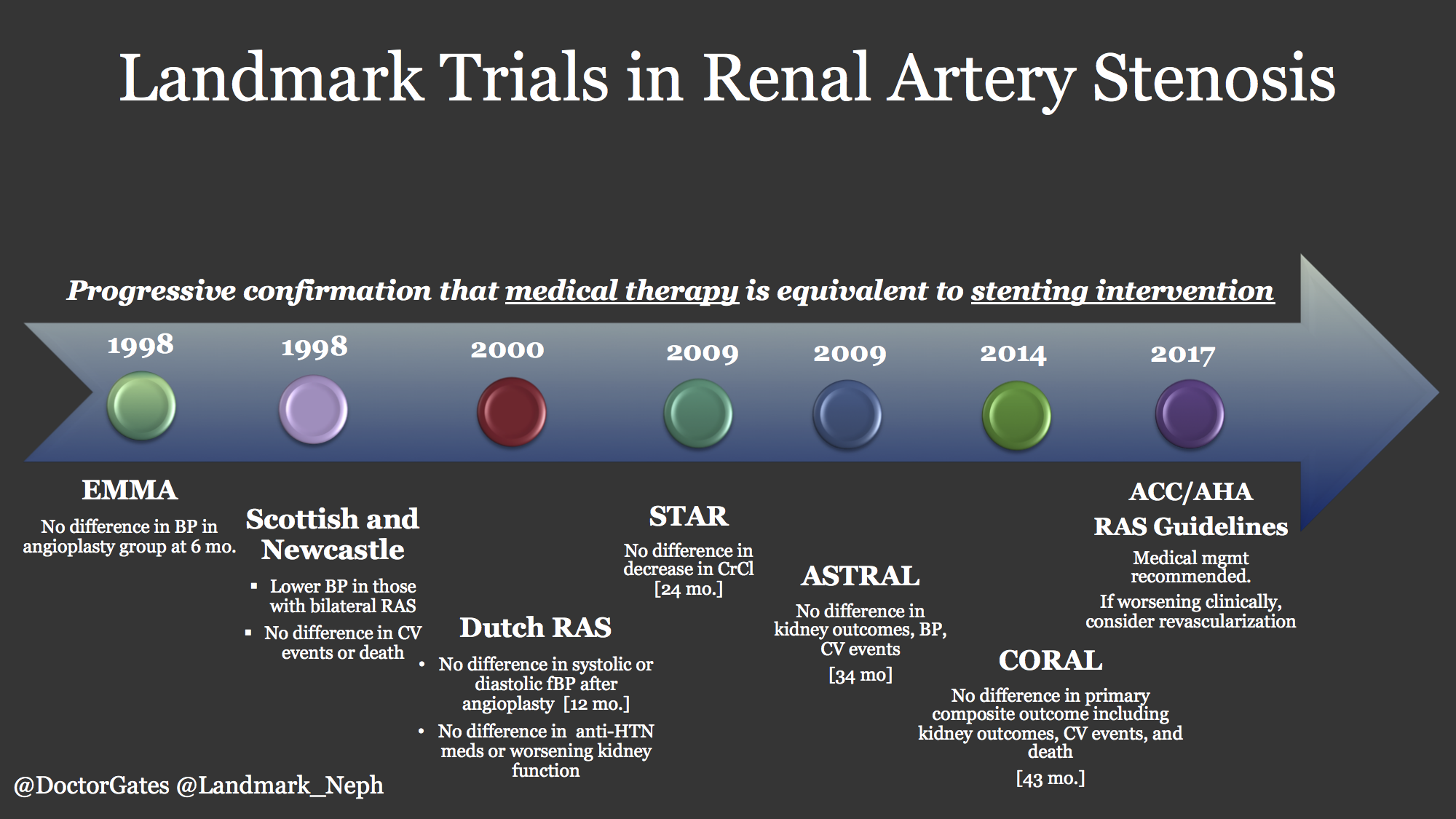
Landmark Trials in Renal Artery Stenosis
Renal artery stenosis (RAS) can lead to a reduction in kidney blood flow with resultant ischemia of the affected kidney. The consequences of this reduction are a decline in estimated glomerular filtration rate (eGFR) and activation of the…

HIV Antiretroviral Therapy: Also Anti-Kidney?
When consulted by your infectious disease colleagues as to the cause of new or worsening renal impairment in a patient with human immunodeficiency virus (HIV), the differential is broad but changing. The classic HIV-associated collapsing glomerulopathy has become…
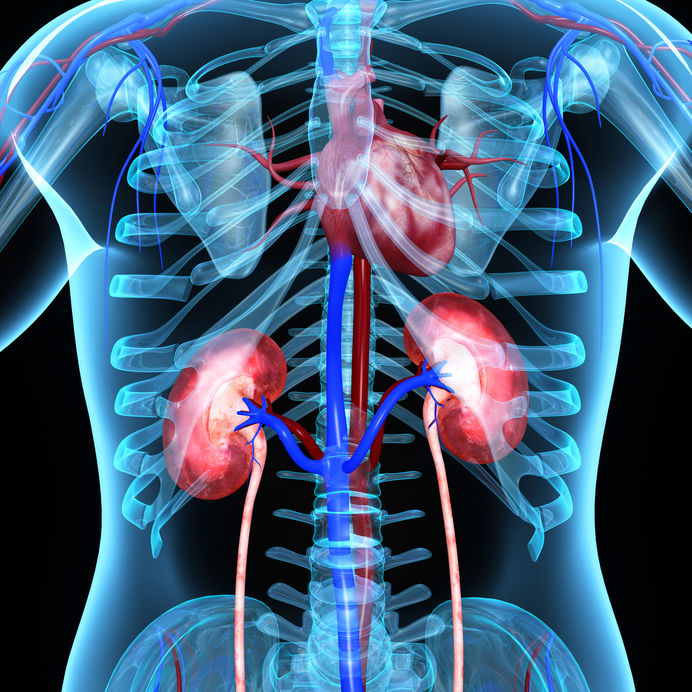
Point-of-Care Ultrasound in Cardiorenal Syndrome Type 1
Cardiorenal syndrome (CRS) is a complex clinical entity that encompasses multiple interactions between the heart and kidney. Ronco and colleagues classified CRS into five types. Below, we’ll focus on CRS type 1, or acute cardiac dysfunction (such as…