
Anti-Nephrin Antibodies in Minimal Change Disease
Approach to the Patient with Peritoneal Dialysis Catheter Dysfunction- Part 1
Want to write a case report? RFN has you covered with a list of journals to choose from
Have a Nephrology Question? There Might Be A #Tweetorial For That!
Conferences, Courses, & Grants
FOAMed
Interventional Nephrology Series
Focus on Point-of-Care Ultrasound in Nephrology (POCUN) Series
Kidney Biopsy of the Month Series

Xanthogranulomatous pyelonephritis
Xanthogranulomatous pyelonephritis (XGP) is a rare but severe complication of chronic UTIs. I think of it (in simplistic terms) as a pyelonephritis so severe that it results in loss of renal function of the affected kidney as well…

Sodium Thiosulfate for Calciphylaxis
Calciphylaxis is a rare but severe dermatologic condition affecting end-stage renal disease individuals for reasons which remain obscure. Histologic biopsy is the gold-standard for making the diagnosis; it typically demonstrates calcification within the media of small and medium-sized…

2003 Lupus Nephritis Classification Updates
The World Health Organization (WHO) of lupus nephritis has provided a useful and simple framework for understanding this complex disease. In 2003, a committe of the International Society of Nephrology (ISN) & Renal Pathologic Society (RPS) instituted some…
MDRD II
Continuing on with a brief discussion of the landmark MDRD Study: at the time of the study, several smaller studies suggested that a low protein diet would prolong time to ESRD for patients with CKD. The theory was…

MDRD I
The Modification of Diet in Renal Disease (MDRD) Study is one of the landmark papers of Nephrology. The 1994 NEJM paper describing the initial results is freely available, and there are many interesting follow-up studies using the same…

Treatment Guidelines for Diabetic Nephropathy
Diabetic nephropathy characterizes a huge chunk of any nephrologist’s practice. Some of the issues to tackle with each visit are obvious–e.g., adequate glucose control, minimization of proteinuria, control of blood pressure–and generally much easier to talk about than…

Just Add Water?
There is a popular belief that drinking lots of water is good for one’s health. One classic recommendation from doctors to patients–nobody knows where it comes from–is to drink 8 glasses of 8 ounces of liquid beverages daily….
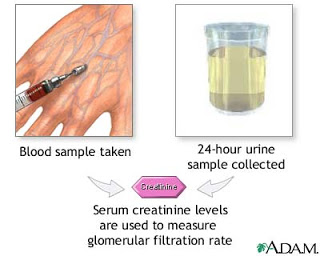
Biomarkers: The Race for a Better Creatinine
The Panel 7: I remember it was one of the first things I learned in clinical medicine. Na, K, Cl, HCO3, BUN, creatinine and glucose. I know not all countries use the same “grid format” of presenting these…

What is Intestinal Dialysis?
We are well-versed in describing to our soon-to-be ESRD patients their options: kidney transplant, hemodialysis, or peritoneal dialysis. However, in many developing countries, these options do not exist, or there may be a significant delay in getting them…

Haas System of Classification for IgA Nephropathy
We are all relatively familiar with the WHO classification system for lupus nephritis, which gives nephrologists a relatively good idea of renal prognosis based on the histologic findings of renal biopsy. A similar type of system has been…