
Anti-Nephrin Antibodies in Minimal Change Disease
Approach to the Patient with Peritoneal Dialysis Catheter Dysfunction- Part 1
Want to write a case report? RFN has you covered with a list of journals to choose from
Have a Nephrology Question? There Might Be A #Tweetorial For That!
Conferences, Courses, & Grants
FOAMed
Interventional Nephrology Series
Focus on Point-of-Care Ultrasound in Nephrology (POCUN) Series
Kidney Biopsy of the Month Series

How to Examine a Vascular Access: Part 2 The Physical Exam
Last week we looked at the basics and useful terminology employed for examining a vascular access. Now we will focus on specifics of the physical exam. Physical Examination Inspection (Look) Visual inspection can provide important clues regarding the…
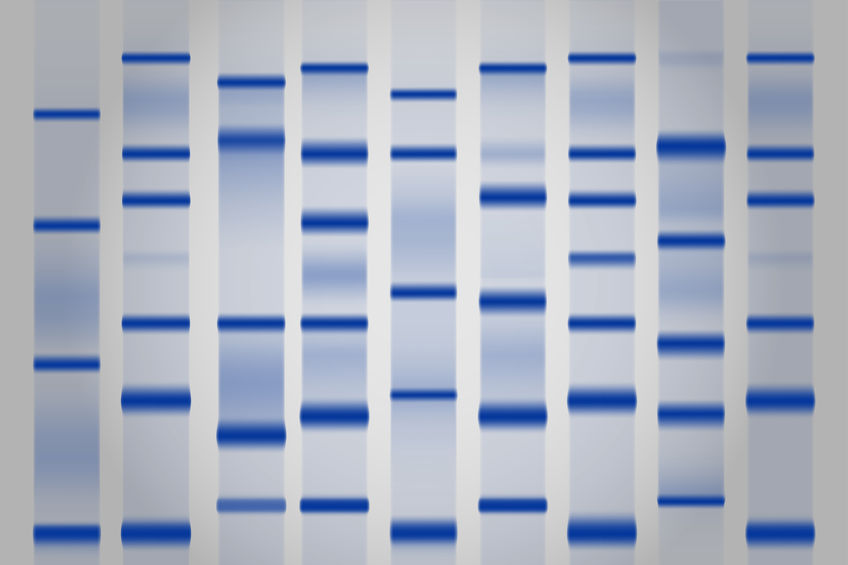
The Attack of the Clones: The Armamentarium of Tests to Find Monoclonal Proteins
In 2012, the introduction of the “monoclonal gammopathy of renal significance” (MGRS) for kidney disease associated with monoclonal proteins was revolutionary. MGRS was now clearly different from the benign monoclonal gammopathy of undetermined significance (MGUS). Prior to the…

Urine Sediment of the Month: RBC Casts, Ghost Cells, & Heinz Bodies…Oh My!
Red Blood Cell (RBC) Casts:RBC casts (Fig. 1) are an important finding in the urinary sediment and most often signify the presence of a proliferative glomerulonephritis or vasculitic process. Although less common, RBC casts may also be seen…
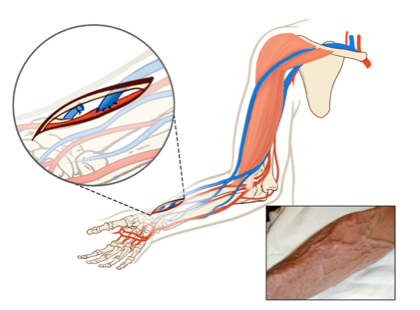
How to Examine a Vascular Access: Part 1 The Basics
Introduction Physical examination is a quick and inexpensive way of diagnosing stenosis and other causes of vascular access dysfunction. Its ability to reliably detect stenotic lesions compared with ultrasound and angiography (the gold standard), has repeatedly been demonstrated….

DNAJB9: Demystifying Fibrillary Glomerulonephritis
Fibrillary glomerulonephritis (GN) is a rare disease which accounts for about 1% of all kidney biopsies. The very first description of the disease was published by Rosenmann and Eliakim in 1977. They described a patient with nephrotic syndrome…
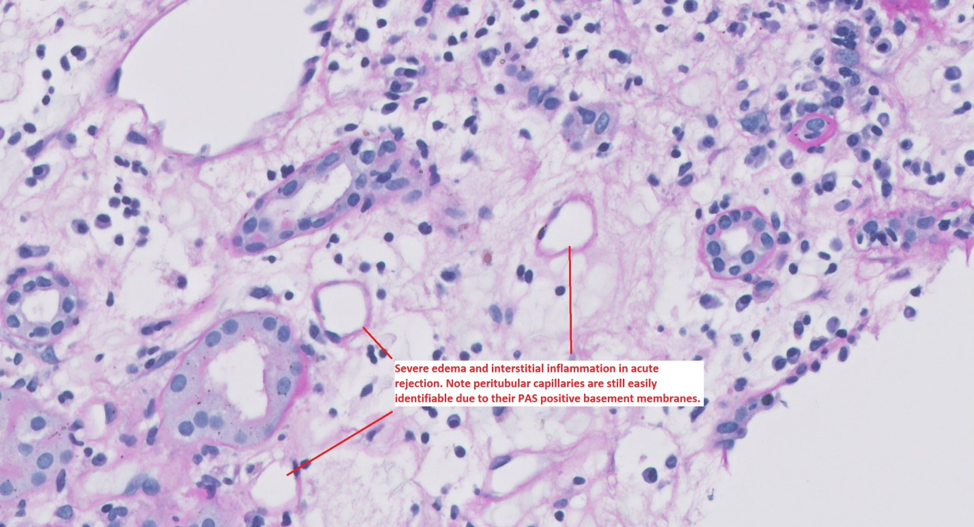
Kidney Biopsy of the Month- The Tubulointerstitium Part 1: The Cortex
The tubulointerstitium of the kidney is broadly divided into the cortex and the medulla. These are extremely important components of the kidney, which can show a broad spectrum of changes ranging from subtle to significant, in both acute…

My Journey from Nicaragua to London to Study CKDu: 5 Lessons Learned
I grew up in León city, Nicaragua. León is known locally as the home of the oldest university in Nicaragua and it is located very close to the Pacific Ocean. The lack of a formal education makes it…

Five Minutes to a Better Diagnosis: What Your Pathologist Needs to Know
One of my mentors, Dr. Fred Silva, frequently reminds us that “the kidney has a limited number of ways to respond to an innumerable number of injuries”. For this reason, studying kidney pathology is challenging and fun. Since…
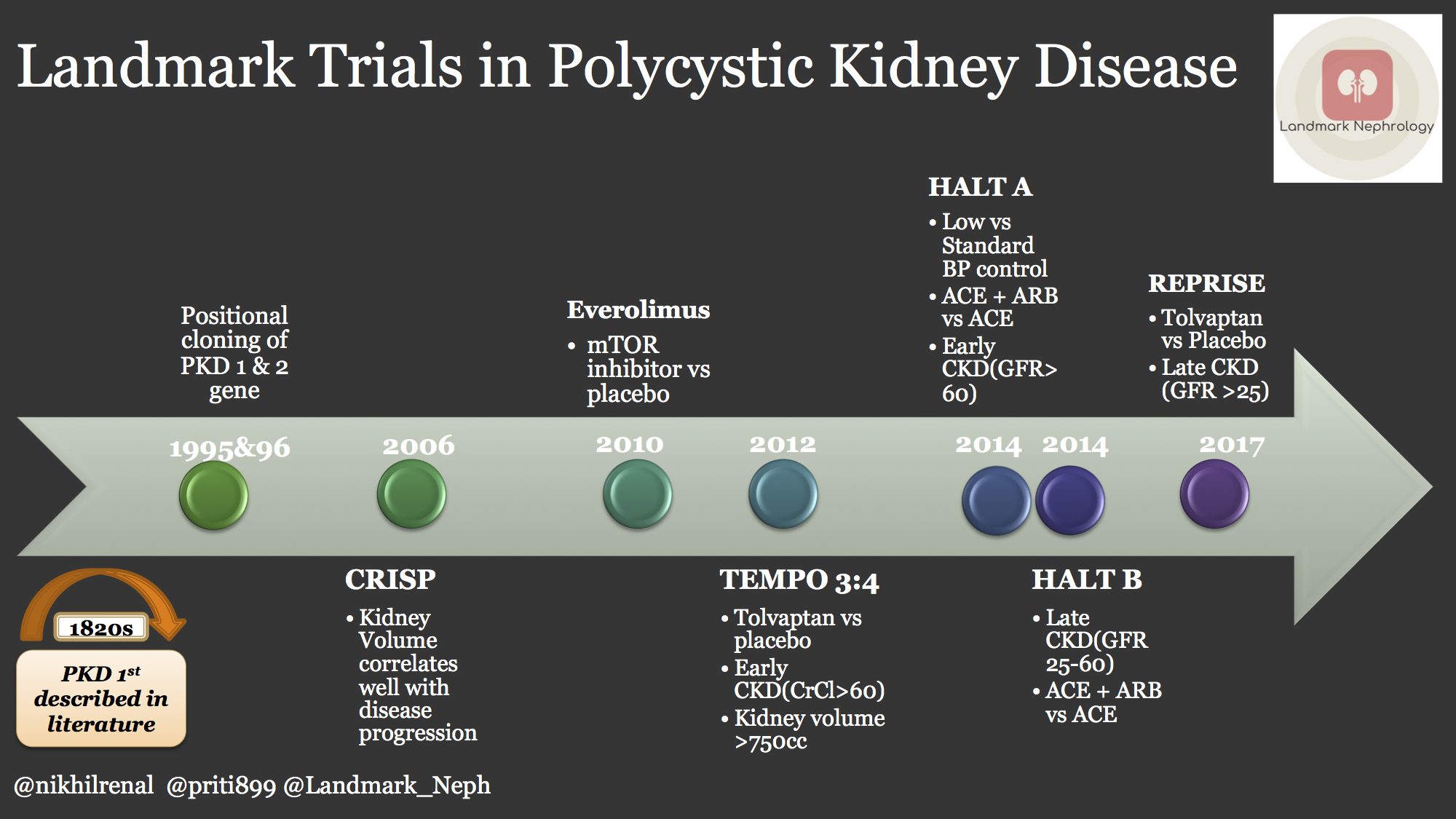
Landmark Trials in ADPKD: Close, But No Cigar
Autosomal dominant polycystic kidney disease (ADPKD) is a common genetic disease, affecting 1/400 to 1/1000 live births and is the fourth leading cause of end-stage kidney disease in adults. Both types of ADPKD (1 and 2) typically have…

UK and Ireland Nephrology SpR Club Spring Meeting-Updates in Nephrology
The UK Renal Association SpR Club and Kidney Research UK are delighted to invite you to their Spring meeting for 2019 – ‘Updates in Nephrology’. This will be held on March 16-17th in the beautiful city of Edinburgh….